
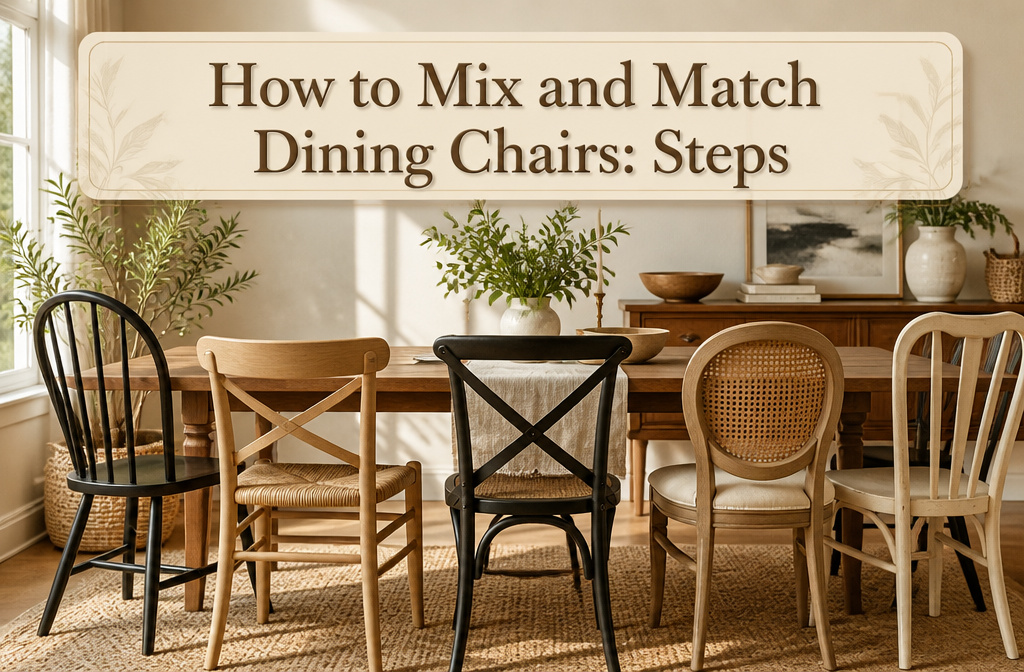

You can mix and match dining chairs in a single afternoon with zero carpentry, but only if you pick one anchor before you shop.
Most people skip that first decision and end up with a set that reads as accidental, not curated.
Hold one element constant, a shared wood finish, a single color, or one repeated silhouette, and the eye sees intention instead of a yard-sale scramble.
1. Choose a Style Direction
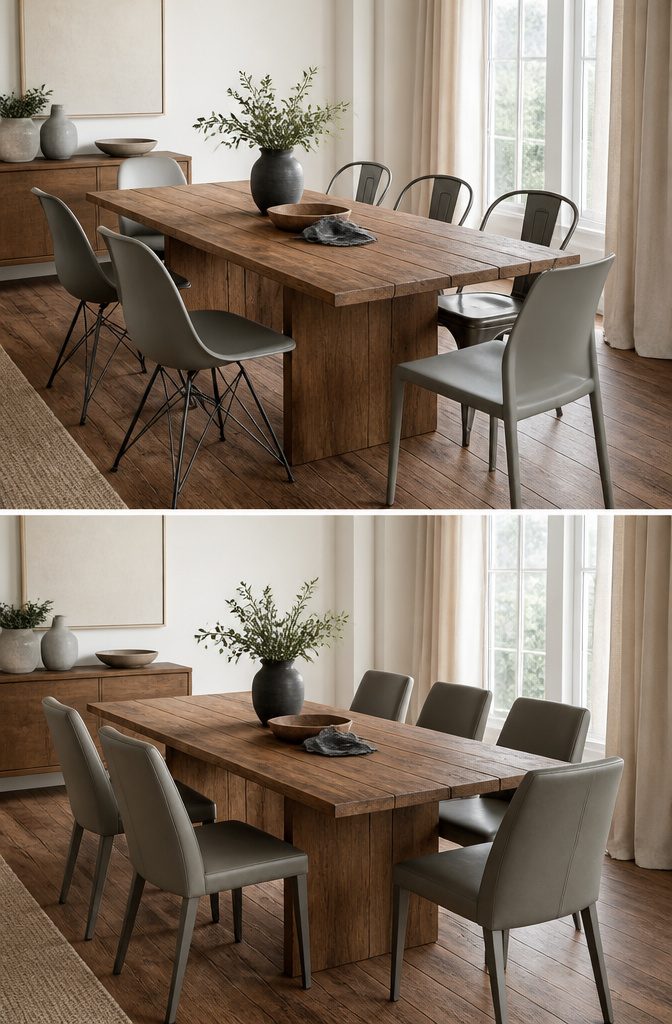
A coordinated mix of chairs reads more curated than a boxed set, but only if there’s a clear vision holding it together.
Pick one style anchor before you start hunting, modern, rustic, classic, or eclectic, and let it do the filtering for you.
Modern leans on clean lines and neutral tones, usually in metal, leather, or molded plastic. Rustic goes for reclaimed wood, earthy color, and a lived-in feel.
Classic brings symmetry and darker upholstered pieces with some ornament. Eclectic is the wild card: bold combinations and layered textures work when you are deliberate, not when you are collecting randoms.
I tend to land somewhere between rustic and modern, so my own rule is that every chair needs to feel like it could sit in the same room as the others, even if nothing matches exactly.
Hold one element constant, a shared wood finish, a single color, or one silhouette repeated, and the eye reads intention instead of accident. Without that first decision on direction, you are just buying chairs and hoping they shake out.

Ergonomic Black Dining Chairs-The ergonomically curved solid high backrest (15.74" wide) offers superior lumbar support, reducing spinal pressure during long meals in dining rooms or kitchens. The 18.5" deep seat, padded with high-density foam, ensures proper posture and comfort for adults, ideal for family gatherings or daily use.
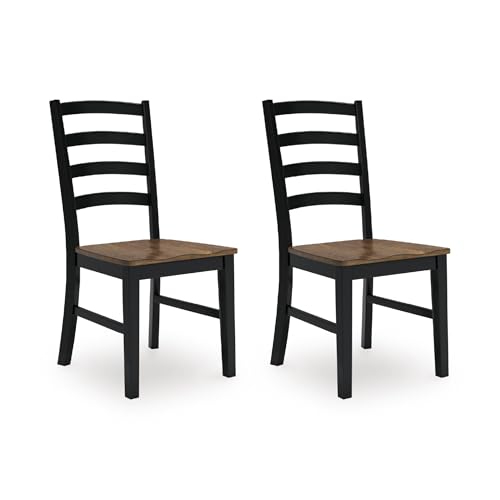
MODERN FARMHOUSE DESIGN: This set of 2 dining chairs features a clean-lined silhouette with a ladderback design and a handsome two-tone black and brown finish, adding inviting modern farmhouse warmth to your dining table or kitchen chairs setup

Mid-Century Modern Charm: These dining chairs feature tapered solid wood legs with rich natural grains and linen-look fabric in earthy tones, blending heritage charm with modern simplicity for farmhouse, mid century, Japandi, and transitional interiors
2. Mix Materials
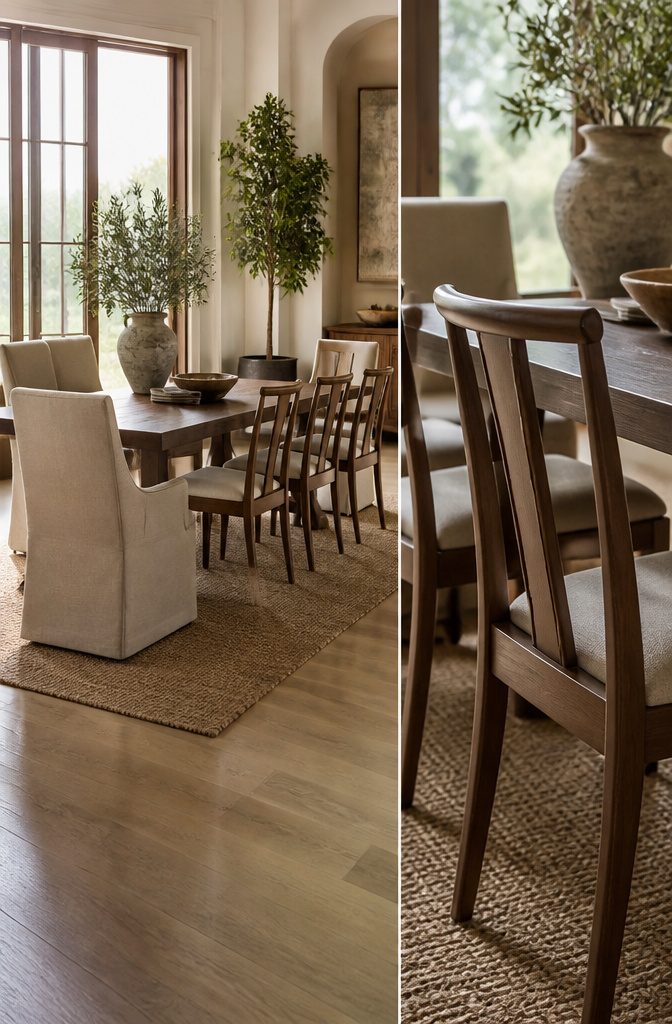
Upholstered chairs at the head of a table and wooden or metal side chairs along the sides is the simplest way to mix materials without letting things slide into visual chaos.
The soft fabric against harder surfaces creates contrast that reads as layered rather than mismatched.
I learned this reading through dozens of dining setups that actually worked. The ones that fell flat usually pushed the contrast too far.
A smooth leather chair next to heavily tufted velvet feels off because the textures fight instead of complement. Better to pair that leather with linen or boucle, something with a quieter hand.
Wood and metal chairs read lighter and more open than fully upholstered ones, which matters in a small dining area or anywhere you do not want the room to feel weighted down.
A trestle table surrounded by nothing but padded seats can turn stuffy fast.
Bringing in slimmer, leggier chairs for most of the seating keeps the comfort where you want it, at the ends, without the whole setup looking like a conference room.
In open-plan spaces, this material mix also does the quiet work of defining zones. No partition needed; the change in chair texture marks where dining happens versus where living happens.

❗❗❗Shipped in multiple packages, you may not receive them at the same time! 【Mid Century Modern Dining Chairs】COLAMY dining chairs bring a clean, mid century modern look to your dining room or kitchen. The soft fabric seat paired with simple lines creates a balanced style that works well with modern or contemporary home decor.

Comfy High Back Design: Our dining chair features a 14.2" high ergonomic backrest that perfectly fits the natural curve of the human spine, providing excellent lumbar support for extended sitting during meals or gatherings. Paired with a 19.3" W and 16.9" D seat filled with high-density high-resilience sponge padding eliminates pressure points and ensures cozy seating for all body types. Weight capacity 300LBS , making it durable and suitable for daily family use and guest entertaining

Modern Elegance: This set of 4 dining chairs in elegant profile features a premium glacier-textured synthetic leather surface, bringing a modern, upscale look to your dining room or kitchen
3. Keep One Element Consistent
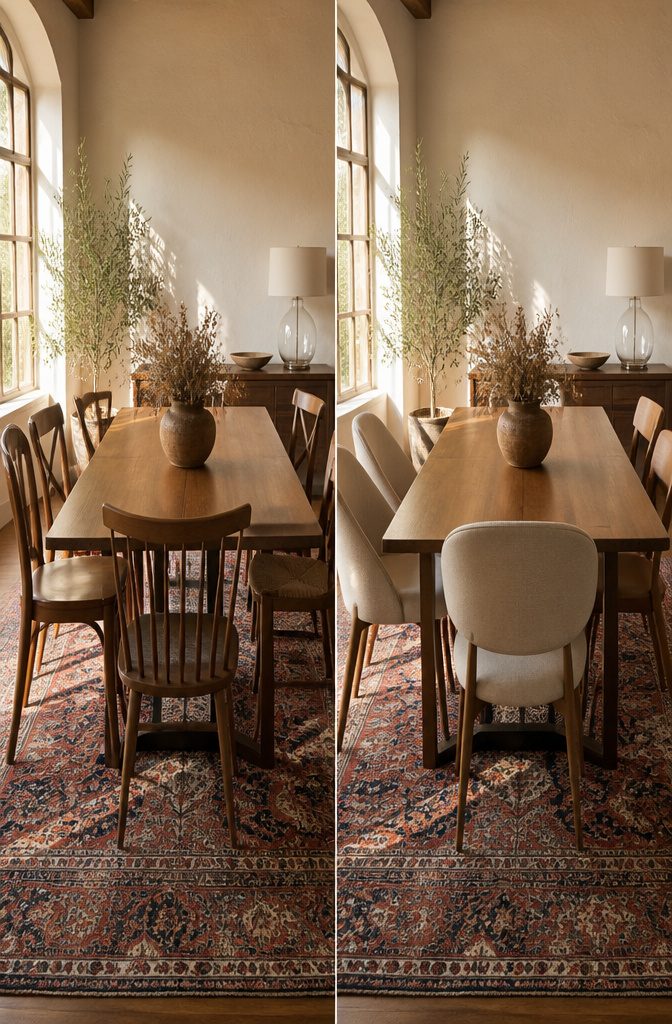
The one thing that keeps a mixed set from looking like you raided three estate sales in a hurry is a single thread that runs through every chair. Pick color, material, or shape, then hold it steady.
A consistent wood finish is the easiest anchor to manage. Different chair backs, different seat shapes, even different eras — they all settle down when the stain reads as one family.
I have seen a pierced-splat side chair and a simple ladderback look like they were made for each other because both carried the same warm walnut tone.
Color works the same way, but you have two paths. A monochromatic scheme, say three chairs in varying shades of blue, lets the shapes dance while the hue keeps order.
Alternatively, keep the bulk of the chairs in one quiet color and let a single accent chair carry a contrast. That pop reads deliberate, not scattered, because the rest of the set holds the line.
Shape is the subtler choice. Same leg profile across different backs, or one repeated silhouette in two finishes — the eye catches the repeated line and reads the mix as planned.
This is where most weekend projects go sideways: too many variables changed at once, and the room feels busy without a reason you can name.

59" 7-Piece Complete Set for 6:This all-in-one dining set includes 1 reclaimed wood dining table and 6 upholstered chairs, perfectly seating 6 adults for family meals, holiday gatherings, or dinner parties—no extra matching needed, saving your time and effort

CUSHIONED COMFORT - Enjoy family meals with a cushioned seat wrapped in easy to clean microfiber upholstery crafted from 74% polyester and 26% cotton

Rustic Farmhouse Charm - Crafted from reclaimed pine wood, each tabletop showcases natural grain, knots, and unique textures, bringing a warm and authentic farmhouse charm to your dining space
4. Check Scale and Proportion
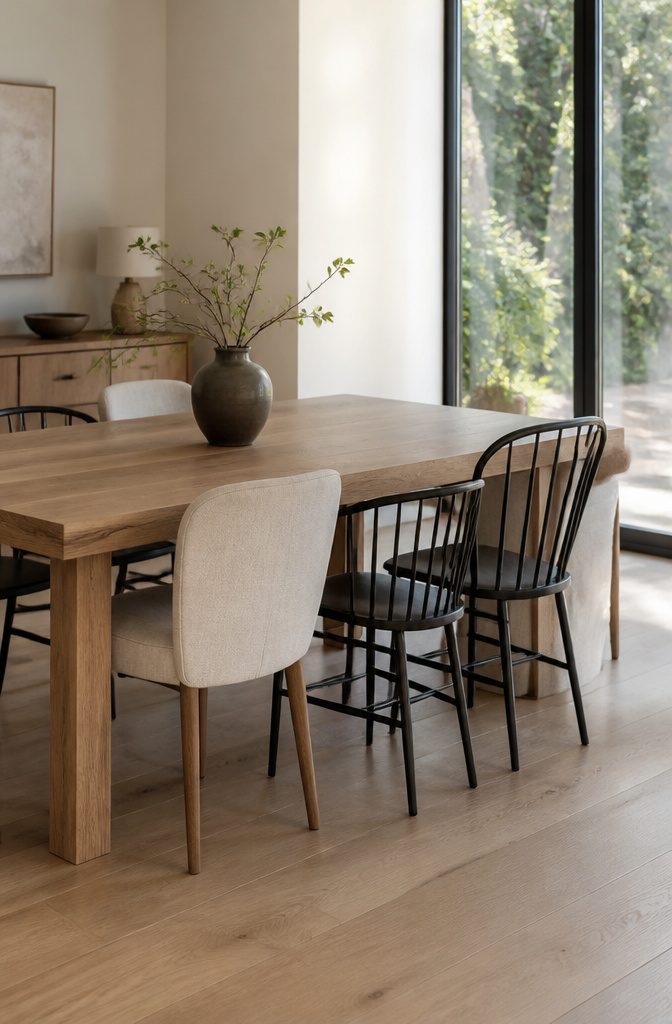
Seat height is the measurement that actually matters, not the total height of the chair back.
The ideal seat height is around 18 inches, which pairs best with dining tables that run 28 to 30 inches high. That leaves enough room for comfortable leg clearance without anyone sitting with their knees in their chest.
If you are mixing chairs, keep all of them within a couple inches of each other in seat height.
A kneehigh difference between neighbors gets awkward fast, both for posture and for the visual line of the table. Table height itself stays standard in that 28 to 30 inch band almost always, so your real variable is the chair.
When I am eyeballing a secondhand find or an online listing, I flip straight to the seat height in the specs. Without it, I pass.

STYLISH MID‑CENTURY DESIGN -- Lightdot velvet dining chair with brown velvet confortable finish, 4 wooden stable chair legs, perfect for any space in your room, dining room, kitchen, living room or bedroom decor. The ergonomic back design and foam cushioned seat can provide you and your family with great comfort.

[Superior Material]:The accent dining chair is upholstered in classic velvet for comfort and elegance. The frame and legs of the chair are made of solid wood, which provides enough safety to hold up to 287 lbs. The seat cushion has a bi-elastic structure with high-rebound foam to provide you with a comfortable seating experience. There are small anti-scratch feet on the bottom of each leg to prevent damage to the floor.

【Excellent Quality】: These upholstered dining chairs are upholstered with high-quality velvet fabric that is soft and comfortable. The fabric is wear-resistant and designed to resist fading. Product Dimensions: 19.7"L x 24.4"D x 37.5"H, seat height:20".
5. Use Statement Chairs at the Ends
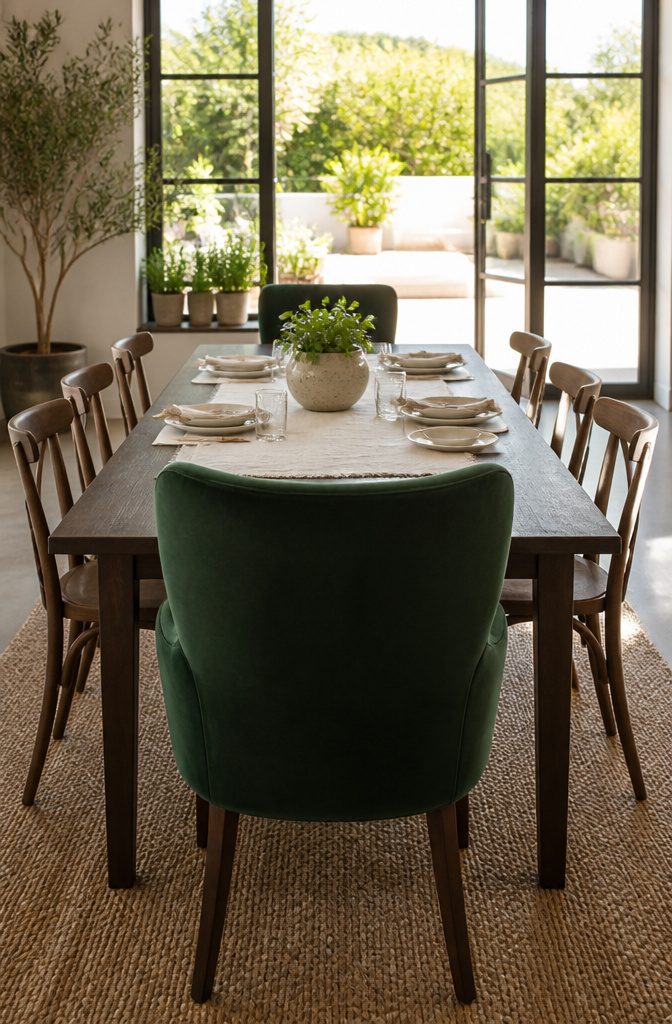
The simplest way to start mixing chairs is to swap only the two at the ends.
You’re keeping the sides identical, so the room still reads as intentional rather than accidental, but those end chairs become natural focal points without demanding all-new everything.
I like this approach because the symmetry does half the work for you. Two matching armchairs at the head and foot, maybe slipcovered in linen or a soft fabric, anchor the table while six simpler side chairs handle the crowd.
The end chairs can carry more weight visually: higher backs, bolder color, a different texture entirely. Brown leather against pale linen works, or a richer fabric that picks up something from your rug or curtains.
Seat height matters most here.
If the end chairs sit even half an inch higher or lower than the sides, your table looks off and your guests eat at a tilt. Match that first, then play with the back heights and materials.
For renters or anyone commitment-shy, a pair of accent chairs at the ends is low-risk. You are not replacing a whole set, just adding two pieces you can move to a reading nook later if your taste shifts.
Keep the surrounding palette subdued and let those two chairs carry the accent — green, blue, yellow, whatever reads as a statement in your otherwise neutral space.

【Industrial Dining Chairs Set of 2】Elevate your decor with our stylish Dining Chair, featuring a light birch finish and a distinctive arched back, complemented by a sturdy metal tubing frame that embodies an industrial-inspired aesthetic

SET OF 2 LADDER BACK DINING CHAIRS: Adds stylish, convenient, and comfortable seating to any restaurant, pool hall, lounge, bar, hotel, kitchen, or other residential or commercial space
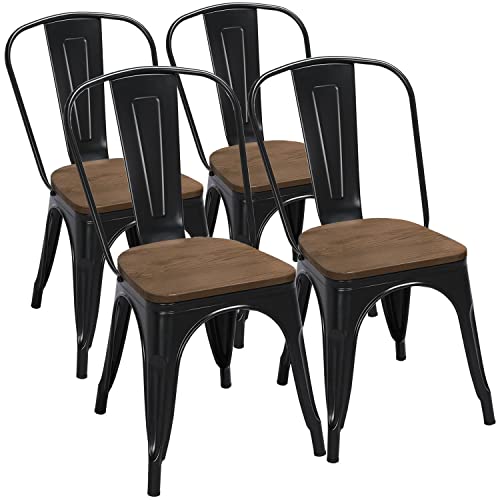
Solid & durable: The seat of the side chair is made of wood and the other parts are made of iron. Offer you a comfortable seat and solid support. It is solid enough for your daily needs. The load-bearing capacity is 150kg 330lb.
6. Add a Bench to the Mix
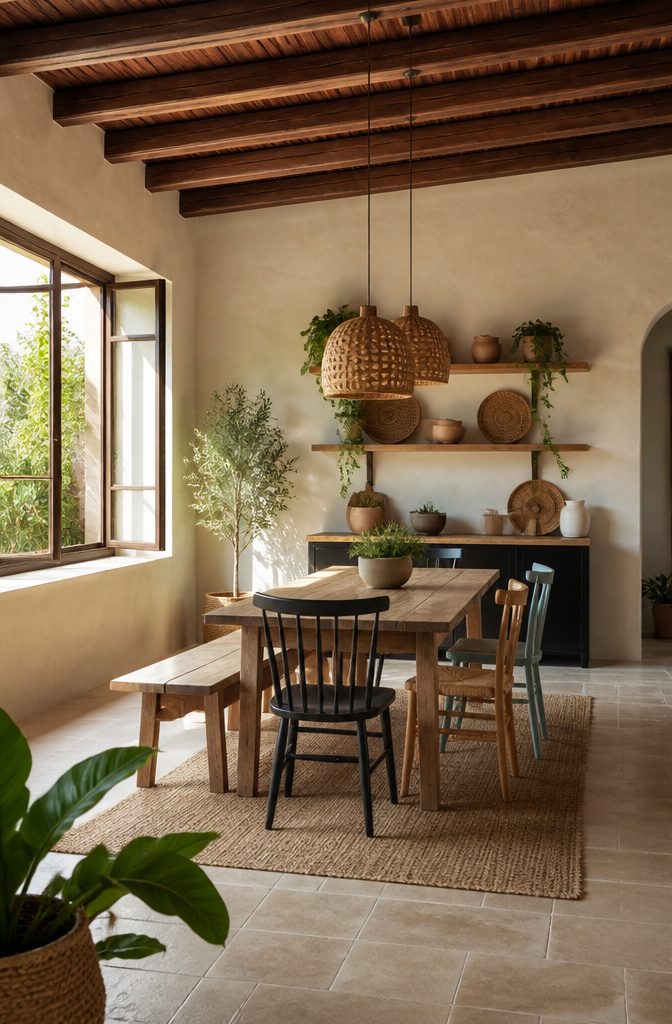
A bench opens up more seating without the bulk of four more chair legs.
In a smaller dining area, that saved room matters: you can push the bench flush against the table when no one is eating and recover a walkway you would have lost.
The trick is treating the bench as another seat in the mix, not an afterthought. Connect it through a shared wood finish or a single color and it will read intentional alongside your mismatched chairs.
One end of the table can stay a proper chair for whoever wants back support; the bench runs along the side and picks up extra guests when you need it.
Measure before you commit. A bench even slightly too tall throws off the line of the table, and one too wide blocks the path you were trying to free.
Get the height and depth right and the bench becomes the piece that makes the whole scattered set feel pulled together.

Modern Upholstered Design for Any Space: Upgrade your dining area with this elegant dining chair set, available in multiple options (set of 2, 4, or 6). Offered in soft fabric or smooth PU leather, it blends seamlessly with modern, farmhouse, or Scandinavian interiors.

Modern Metal Dining Chair: Sleek metal legs and a contemporary design elevate homes or dining rooms. These chairs blend sophistication with comfort, featuring an upholstered seat and ergonomic backrest for extended meals. Easy-to-clean materials and a sturdy frame ensure lasting style

Mid-Century Modern Charm: These dining chairs feature tapered solid wood legs with rich natural grains and linen-look fabric in earthy tones, blending heritage charm with modern simplicity for farmhouse, mid century, Japandi, and transitional interiors
What Styles Pair Well
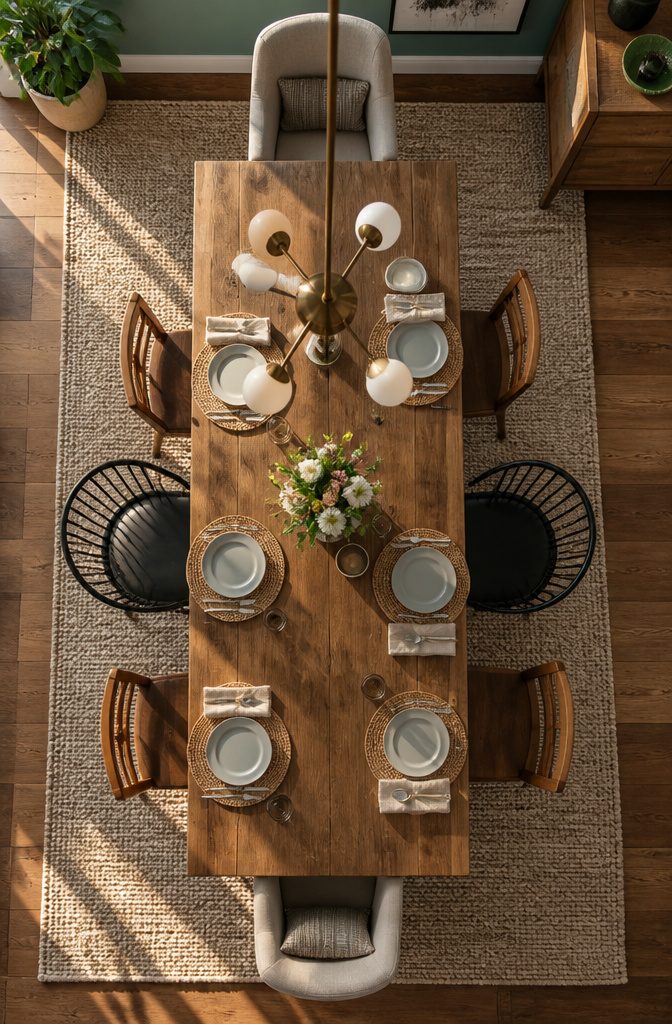
Most workable mixes start with two materials that already fit your life. The question is what each piece actually does in the room.
- Upholstered chairs at the ends soften the scene and keep guests comfortable through longer meals. Fabric that picks up your rug or curtain color makes the placement look intentional rather than like afterthoughts.
- Wooden chairs are the workhorses. Their structure grounds fabric or metal nearby, and they clean up easier after weeknight dinners with kids.
- Metal chairs push back against softness with sharper lines. One or two beside traditional wood keeps the mix from going too cottage-core.
- A bench slides in where a chair would block traffic or where you need an extra body at the table. It reads casual, but that flexibility matters in small dining rooms.
- Accent chairs carry the visual weight if everything else is restrained. One bold shape or color does the work of decoration without adding clutter.
The seat height is what actually has to match (or very nearly). Everything else is fair game.

Easy-Clean Performance: Premium faux leather resists stains; most spills wipe away quickly with minimal effort

This dining chair features a sleek, curved backrest and round seat, paired with warm tan faux leather upholstery and polished metal legs, creating a chic mid-century modern style.

Modern Curved Design: These modern dining chairs feature a gently curved backrest, smooth faux leather upholstery, and sleek steel legs. Designed for dining rooms, kitchens, and breakfast nooks, they bring a clean, contemporary look to everyday dining spaces
Vintage with Modern
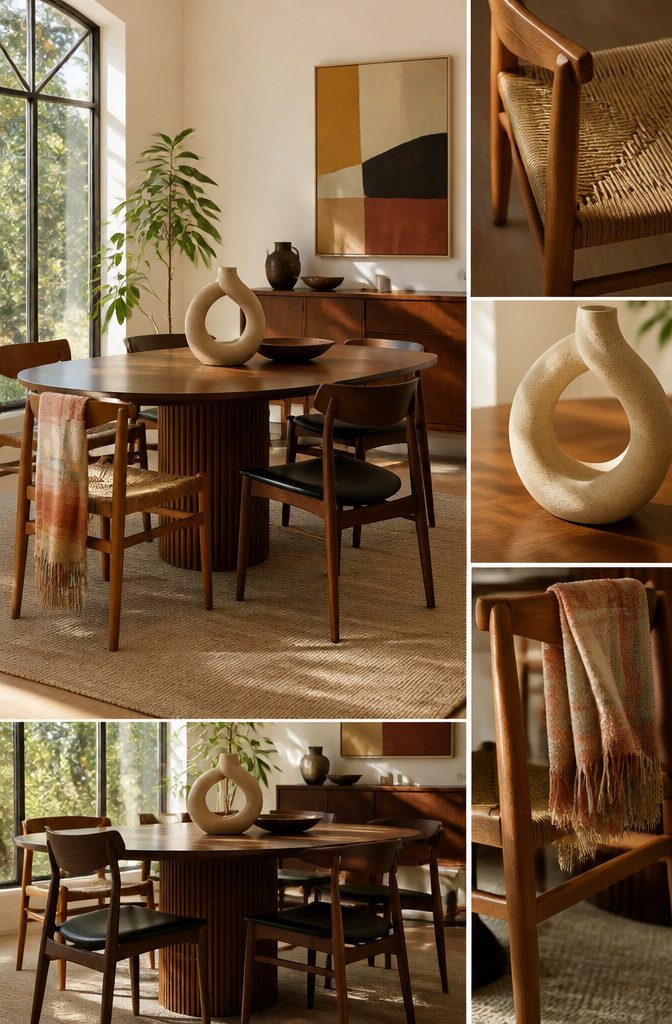
Vintage and modern chairs at the same table sound risky until you see it done well. The trick is giving each piece something in common so the eye reads the room as intentional, not accidental.
Repeat a material at least twice across the set, or keep one consistent wood tone running through both old and new pieces.
That way the 1960s teak chair you found at a yard sale feels like part of the same story as the contemporary walnut ones.
Families need this mix to survive daily life, not just look good in a photo.
Vintage chairs often come with solid hardwood frames that outlast newer pressboard, but the original upholstery rarely passes the fingerprint-and-spaghetti test. Recovering seats in a durable, spot-cleanable fabric freshens the look and earns the piece a second career.
A refinished surface on the vintage side, or a painted finish that picks up a color from the modern chairs, knits the eras together without forcing a match.
If the chairs themselves still feel too scattered, cushions or a light throw across the seat backs can bridge the gap.
One fabric echoing a hue from the modern pieces, repeated on two or three vintage chairs, is usually enough to suggest you planned the whole thing from the start.


Farmhouse Rustic Dining Set for 6: Equipped with s a spacious 59"D×59"W×30"H circle table supporting 500 lbs and 6 upholstered rattan chairs (20.5"D×20.5"W×39"H, max 350 lbs each). This 6-seat set blends classic French country & farmhouse aesthetics, effortlessly coordinating with boho, cottage, rustic and transitional home decor styles to upgrade your dining space instantl

The Martha Stewart Bedford lifestyle collection, inspired by Martha's iconic farmhouse in NY. Experience the farmhouse style and sophistication at its finest. Perfect for your dining room or living room, this chair makes a stunning addition to your décor
Round Table Adjustments
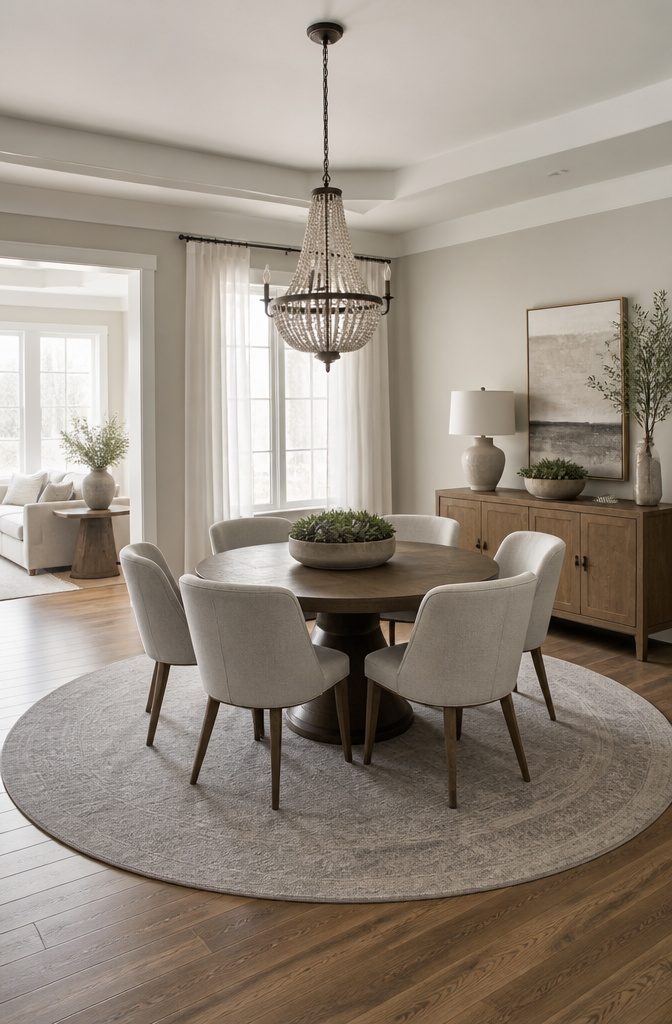
Round tables play by different rules than the rectangles and ovals that get most of the mixing credit. The circular form has no head or foot, so every seat sits in equal view and none gets to hide.
That equality means a single, matching chair style usually looks most balanced, and it is the safer bet for anyone who wants the calm finish rather than the bold experiment.
I have seen the two-tone exception work, but it is subtle: two finishes of the same chair, not two different silhouettes.
A full mismatch around a compact circle tends to read busy where a long rectangle would let each piece breathe on its own.
The geometry of the table itself is doing the talking, so let it guide how much variation the room can carry.
If you are set on mixing, a rectangular table is the more forgiving stage; save the round one for when you love one chair enough to commit.

Exclusive Craftsmanship Details: The pure hand-embroidery on the backrest showcases exceptional artisanal skill unmatched by mass-produced chairs. Each piece features unique embroidery details that add refined elegance, justifying the premium investment.

Modern Farmhouse Design with Mid-Century Accents – This armless wingback dining chair blends mid-century elegance with rustic warmth. The curved silhouette and solid wood frame create a look that complements farmhouse, modern, and transitional decors – perfect for homeowners who want timeless style without trend-chasing

🍷Crafted with premium velvet fabric, our velvet dining chairs set of 4 boast exceptional wear resistance and colorfastness. The fabric's rich texture and fine touch enhance the dining experience, while the modern mid-century design adds a touch of elegance to any room.
Frequently Asked Questions
Do dining chairs have to match the table?
No. A coordinated mix reads more curated than a boxed set, and coordinating pieces rather than matching them is what gives a room its character.
Tie everything together with a shared wood finish, a single color, or one design theme so the room looks intentional rather than matchy.
How do you mix chairs without it looking random?
Hold one element constant across every chair, a shared wood finish, a single color, or one repeated silhouette, and the eye reads intention instead of accident. Repeat each material at least twice so the arrangement reads planned rather than accidental.
Can you pair a bench with dining chairs?
Yes. Treat the bench as another seat in the mix and connect it through a shared wood finish or a single color.
It will read intentional alongside your mismatched chairs, and it opens up more seating without the bulk of extra chair legs.
Can you mix and match chairs on a round table?
It takes a lighter touch. Round tables have no head or foot and show every seat equally, so they look most balanced with one matching chair style.
A subtle two-tone mix of the same chair can still work, but a full mismatch around a compact circle tends to read busy.