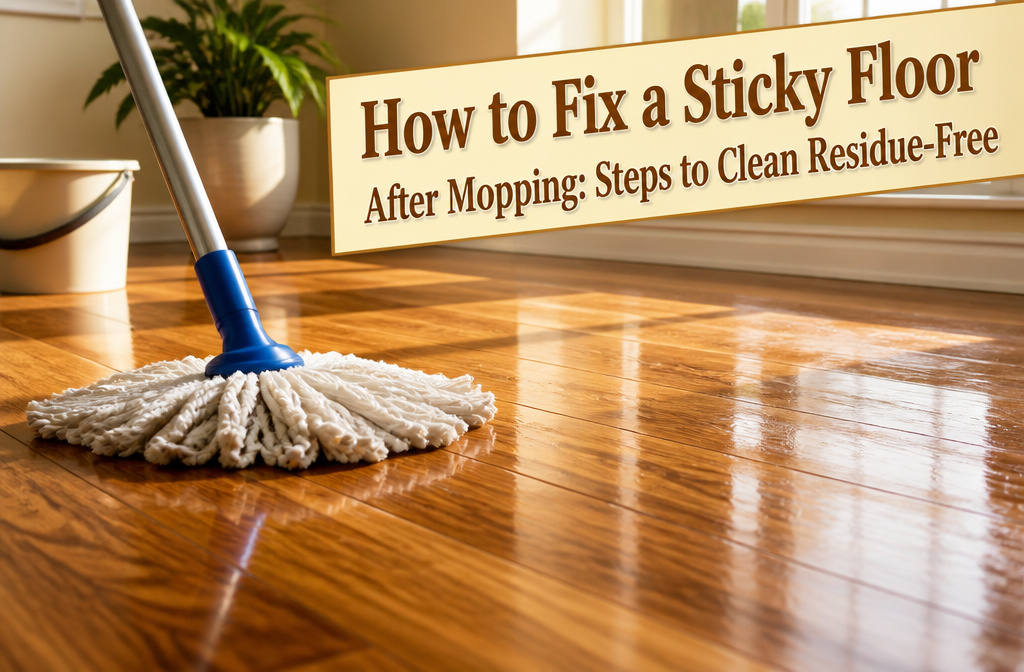

A residue-free floor takes one extra rinse pass and about five minutes, but only if you stop at the right dilution. Most people pour past it. One ounce of cleaner per gallon is the threshold; anything more leaves the tacky film you’re already fighting.
1. Identify the Problem
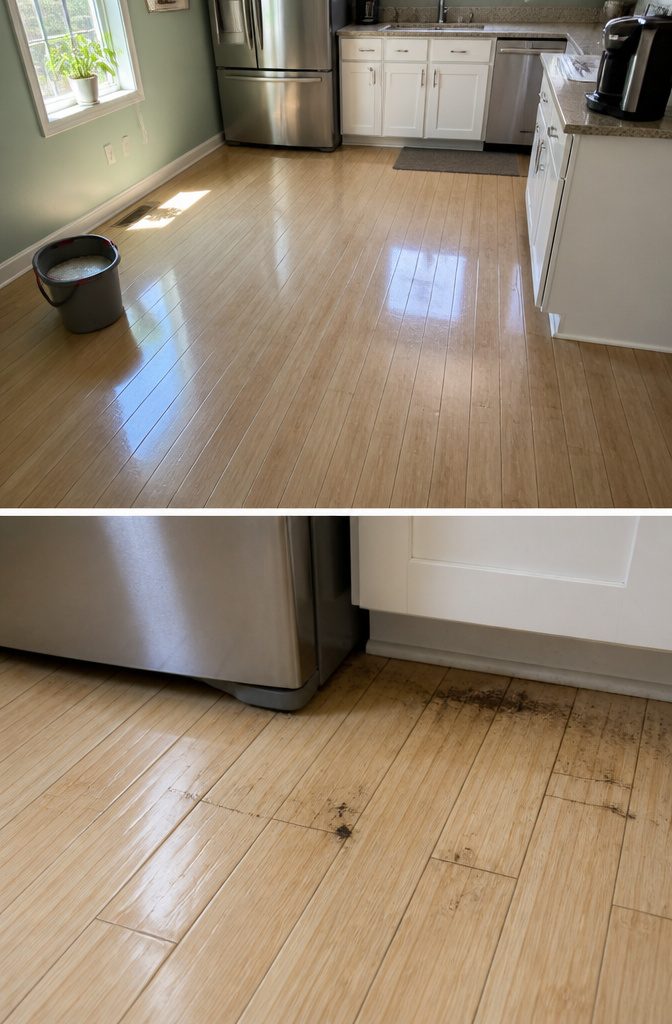
A sticky floor after mopping almost always traces back to one of three things: cleaning product residue left behind, spills or grime you missed the first time, or a technique slip like overusing cleaner or letting your mop water turn cloudy.
The residue culprit is sneakier than it sounds. Surfactants in floor cleaners lift dirt beautifully, but they need a real rinse. Skipped or rushed rinsing leaves a thin film that feels tacky under bare feet and grabs fresh dust almost immediately. Your floor isn’t dirty again so fast; it’s coated in soap that acts like a magnet.
Spill-related stickiness lives in one spot, not the whole room. That helps narrow it down fast. Tacky everywhere points to cleaner use or a rinsing problem. Tacky near the fridge or by the coffee station points to a spill that got spread around instead of truly lifted.
Dirty mop water sneaks in too. Once that bucket clouds over, you’re just depositing grime back down. Same with too much product: more cleaner does not mean cleaner floors, only more film to fight through later.

Maintains polish without stripping protective coating

Cleaning Power: Our No Rinse Neutral pH Floor Cleaner is formulated with a naturally derived surfactant system that effectively cleans all hard floors and other surfaces without the use of potentially harmful chemicals.
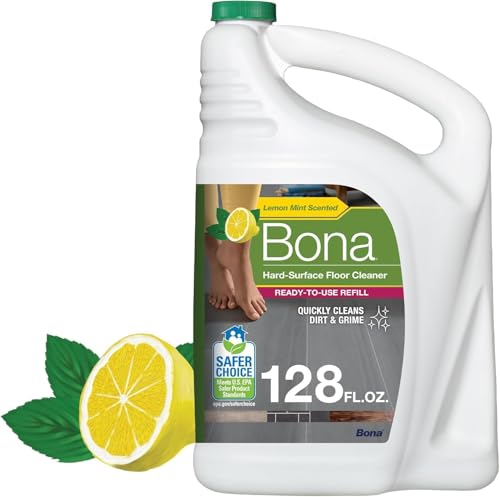
Easily refill any Bona floor cleaner spray bottle or mop cartridge
2. Use the Correct Cleaner
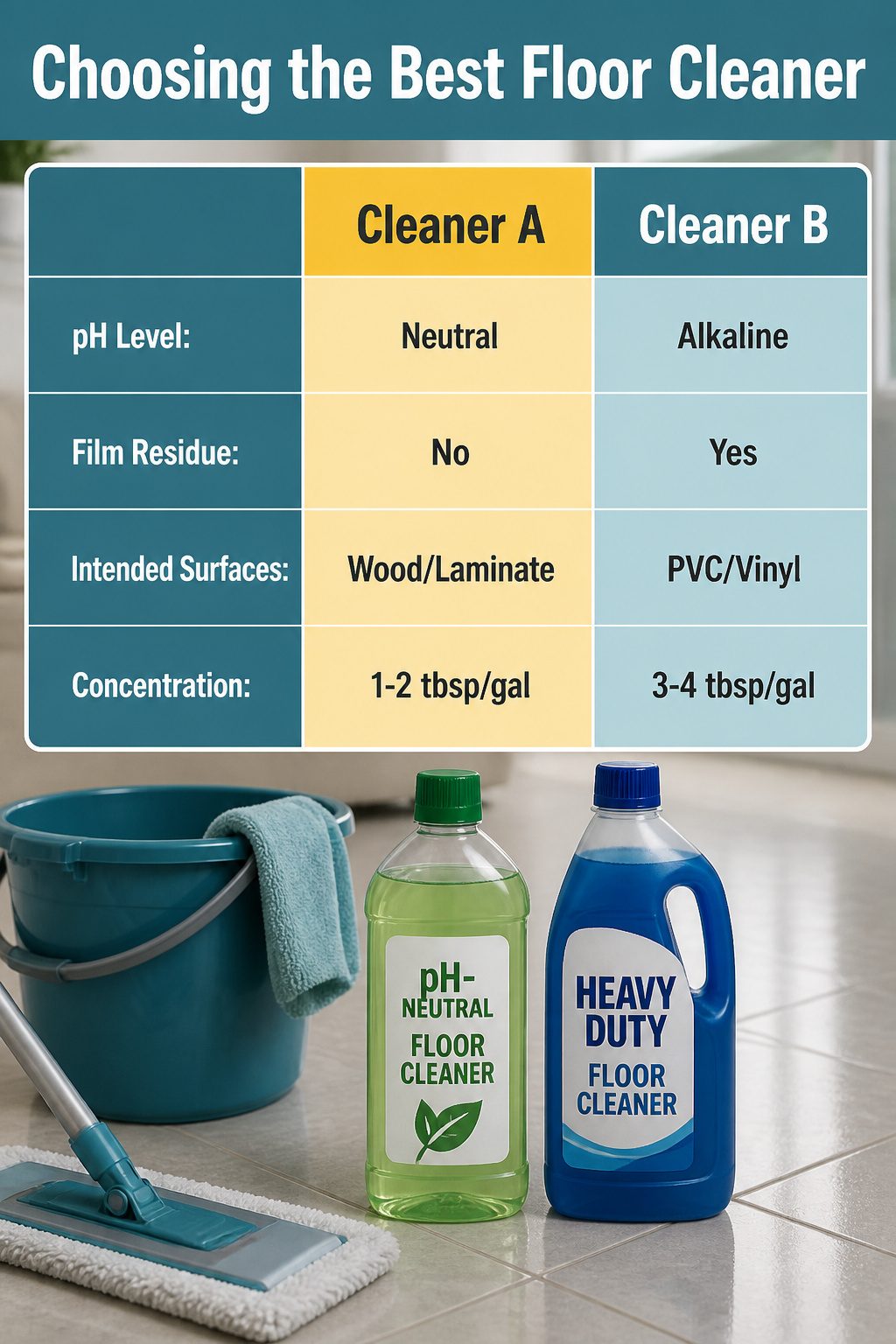
The floor cleaner aisle is where most sticky-floor problems begin, not end. A product that cuts through tile grout like butter can strip a hardwood finish down to bare wood, and pH-neutral is the spec you want to look for on anything that touches sealed hardwood or laminate.
I used to grab whatever bottle said "multi-surface" and call it efficient, but those formulas usually carry surfactants or oils built for toughness. On laminate, they leave a waxy film. On hardwood, they slowly dull the seal. Oil-based soaps are the worst repeat offenders, they coat the surface instead of lifting dirt, and the residue rewets into sticky streaks every time humidity rises.
For vinyl or linoleum, a pH-neutral floor detergent or a light vinegar solution does the actual work without adding a layer you’ll feel underfoot later. Wood demands the tighter restriction: wood-safe, low-residue, and still pH-neutral. The label matters here. Most concentrates run 1 to 3 tablespoons per gallon, and using more doesn’t clean better, it just leaves more behind. Match the cleaner to the floor type first. The rest of the rinse-and-dry routine only works once that part is right.

Contains 1 - 25oz bottles of Method Squirt + Mop Hard Floor Cleaner, Almond.

STREAK-FREE ON EVERY FLOOR: Lifts dirt, footprints and everyday grime from tile, laminate, vinyl and sealed hardwood, drying fast with no streaks, haze or sticky residue.

Easily refill any Bona floor cleaner spray bottle or mop cartridge
3. Dilute Properly
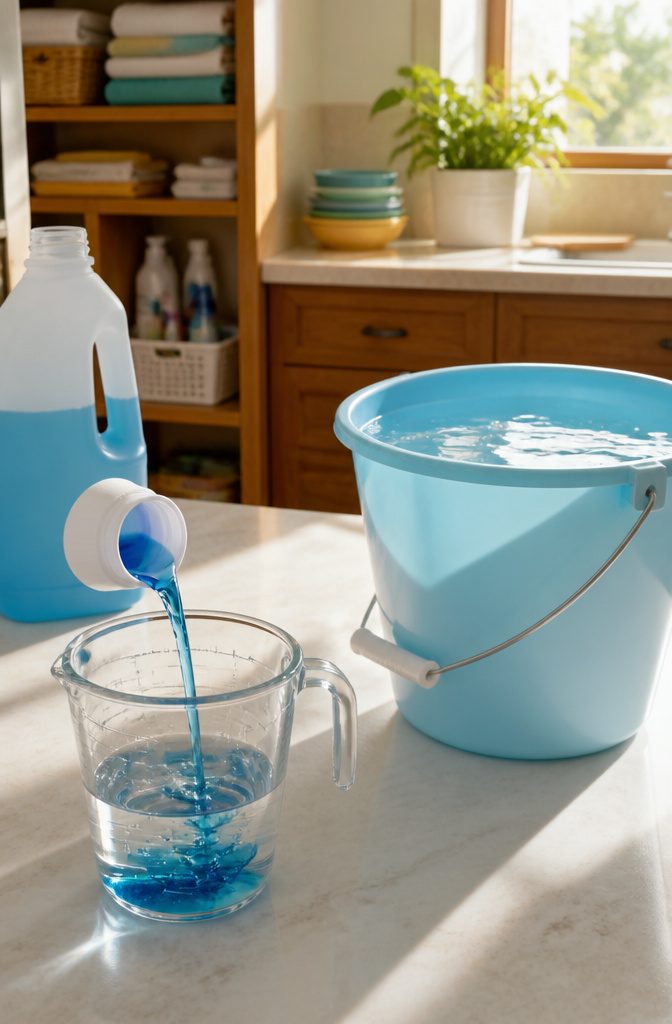
Most floor cleaners are concentrated, which means the bottle expects you to bring the water and they bring the chemistry. The ratio that usually works is about one ounce per gallon of water, or roughly a capful dropped into a standard bucket. That small amount is enough to lift grime without leaving anything behind.
What trips people up is the instinct to add extra for a badly soiled floor. More concentrated cleaner doesn’t scrub harder; it just leaves more product on the surface than the water in your rinse can carry away. What remains dries into a thin, tacky film that grabs dust and feels slightly rubbery under bare feet. If you can see suds pooling while you mop, you’ve already passed the useful threshold and entered residue territory.
The fix is measuring once before you start. Read the label, find the ounce or capful line, and pour exactly that. A few ounces too many is often the entire difference between a floor that feels finished and one that sticks to your socks for days.

Zep Commercial Wood Floor Cleaner Is Designed For Both Hardwood And Laminate Floors

CLEANS & RESTORES SHINE: Pro formula removes stains & scuffs while maintaining a shine

Bruce Hardwood & Laminate Floor Cleaner 32 oz Fast Drying and Residue Free
4. Mop with Clean Water
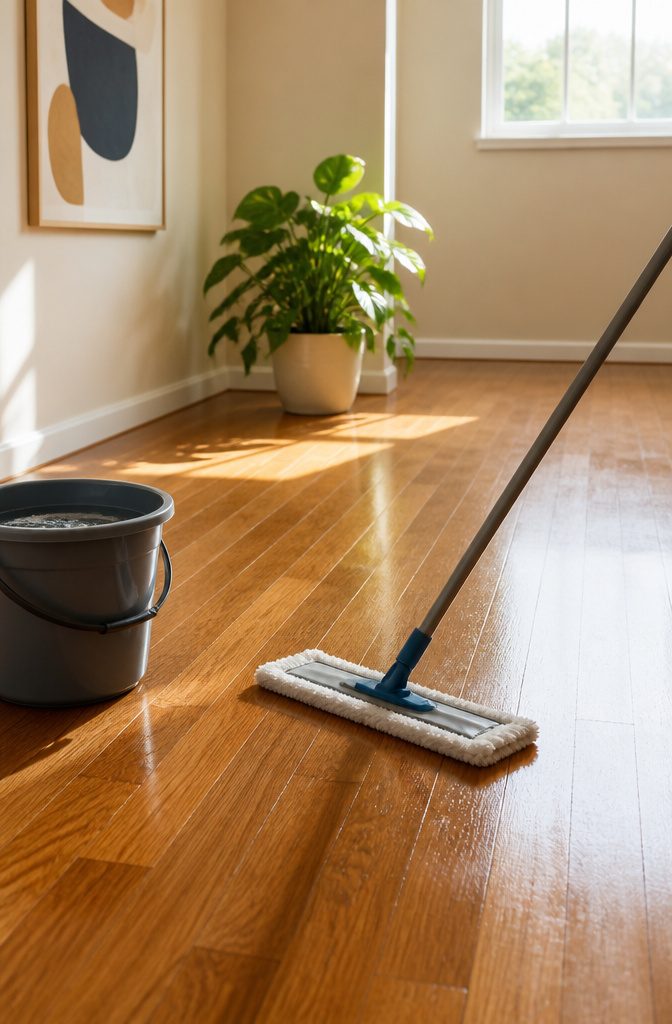
Warm water from the tap helps the residue release before it sets. Dump your bucket after the soap pass, refill with plain water, and run the mop over the floor one more time. Wring it nearly dry first. Soaked mop pads just push dirty water around.
The cleaner label gave you the right dilution, but it did not tell you to skip the rinse. Most don’t. A second pass with no product is what pulls the last of the detergent up. Without it, that thin film dries tacky and your socks grab at it for days.
If the floor still drags a little, your water cooled off or the mop head got saturated. Fresh water and a tighter wring usually fix it. Most cleaners are concentrated at 1 to 3 tablespoons per gallon, so the residue left behind is small, but it is enough to feel.

Cleans hardwood, laminate, tile and vinyl floors

LUXURY VINYL FLOOR CLEANER: Formulated to gently clean luxury vinyl flooring

Cleans hardwood, laminate, tile and vinyl floors
5. Change Mop Water Frequently
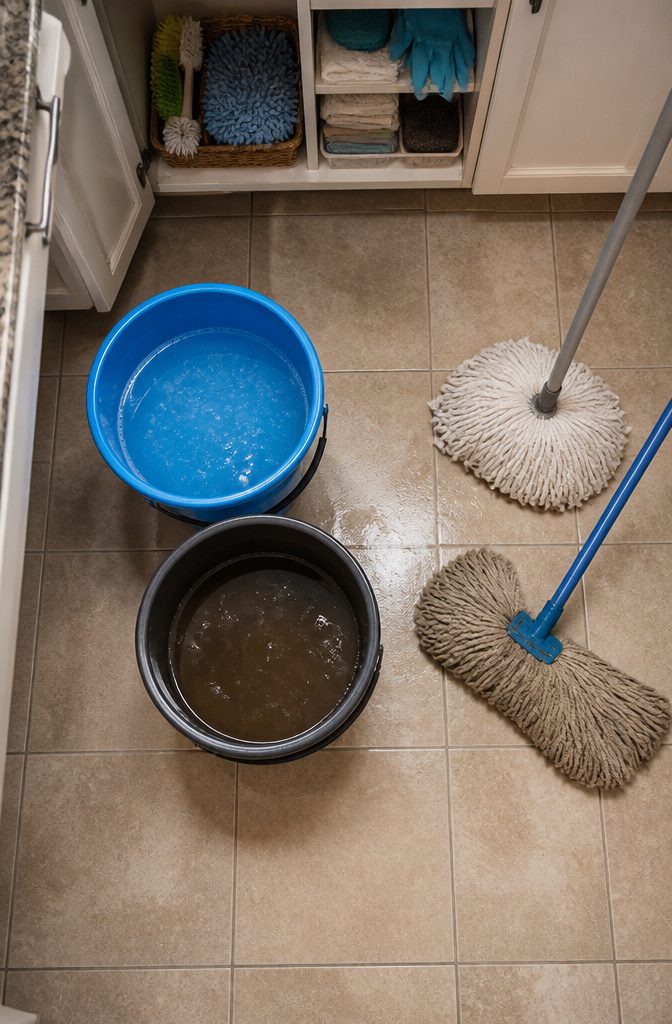
The two-bucket method is the cleanest way to keep your water honest. One bucket holds your cleaning solution, the other takes the dirty water you wring out. Every time you dip the mop, it goes into fresh solution. Every time it comes back grimy, it gets rinsed in the second bucket before it ever sees the floor again.
I used to dump one bucket in the kitchen sink and call it done. The water turned cloudy by the third pass, and I was basically painting dissolved grease back across the tile. Cloudy water does not clean; it redistributes. The grime lifted from one corner resets in another, and the soap bonds with what is already there. That film is what your sock sticks to the next morning.
Professionals change rinse water often, especially across large rooms. In a typical kitchen, that means swapping at least twice. The extra minute beats mopping the floor twice to undo the first pass.
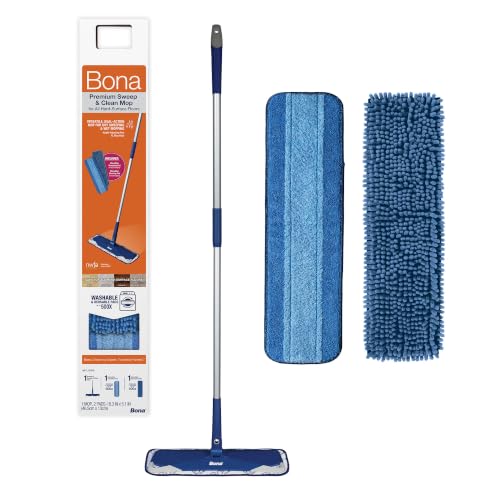
Versatile 3-in-1 floor cleaning tool: Experience a complete cleaning system that sweeps, cleans, and polishes with one durable tool; specifically engineered to replace the need for multiple bulky brooms and disposable mop systems


Starter Kit Includes: 1 LOBA Spray Mop, 1 LOBA Microfiber Pad, 1 bottle of LOBA Universal Floor Cleaner REFILL
6. Rinse Thoroughly
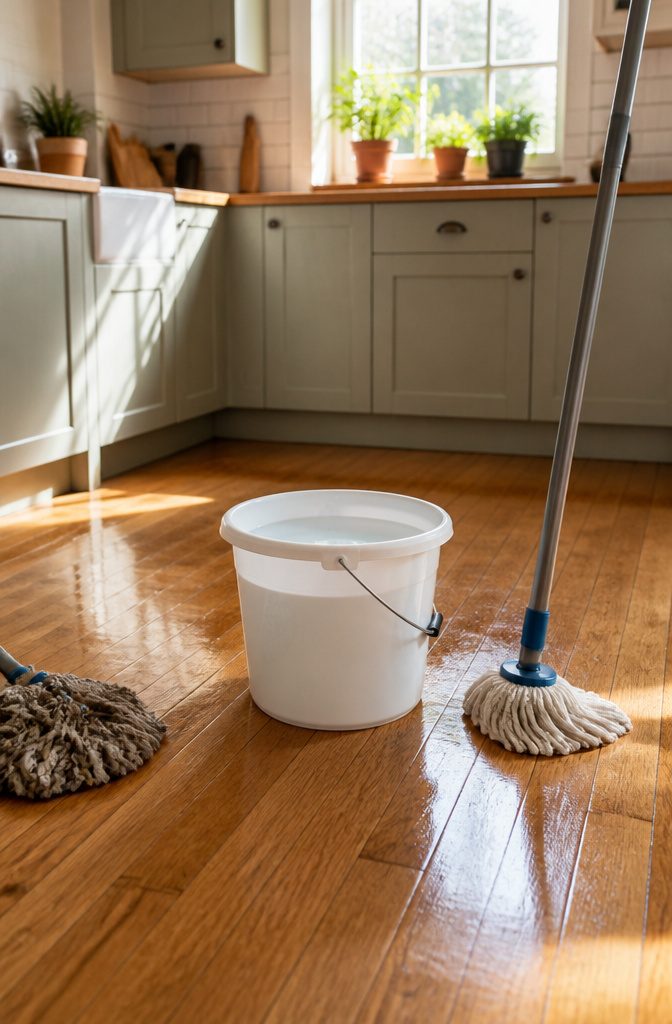
The final rinse is the step almost everyone skips, and it is exactly why your floor feels tacky again by evening. After the dirty water is gone and the cleaner has done its work, dump the bucket entirely. Refill with plain warm water, no product at all, and wring the mop nearly dry. One more pass across the whole surface pulls away the detergent and dissolved grime that the first pass loosened but left sitting there.
Without this, every trace of cleaner dries into a film. That film is what grabs dust the next morning and starts the cycle over. Professional cleaners treat washing and rinsing as two separate jobs, not one. The extra five minutes of a clean-water pass is what separates a smooth floor from one that drags under bare feet.

Residue-free, fast drying solution that removes dust, dirt and grime to reveal the floor's natural shine

Safe for all LVT, LVP and WPC flooring

Neutral pH Floor Cleaner: Cleans and restores shine while preserving polish and not stripping away protective coatings on your floors. No rinsing required
7. Dry the Floor
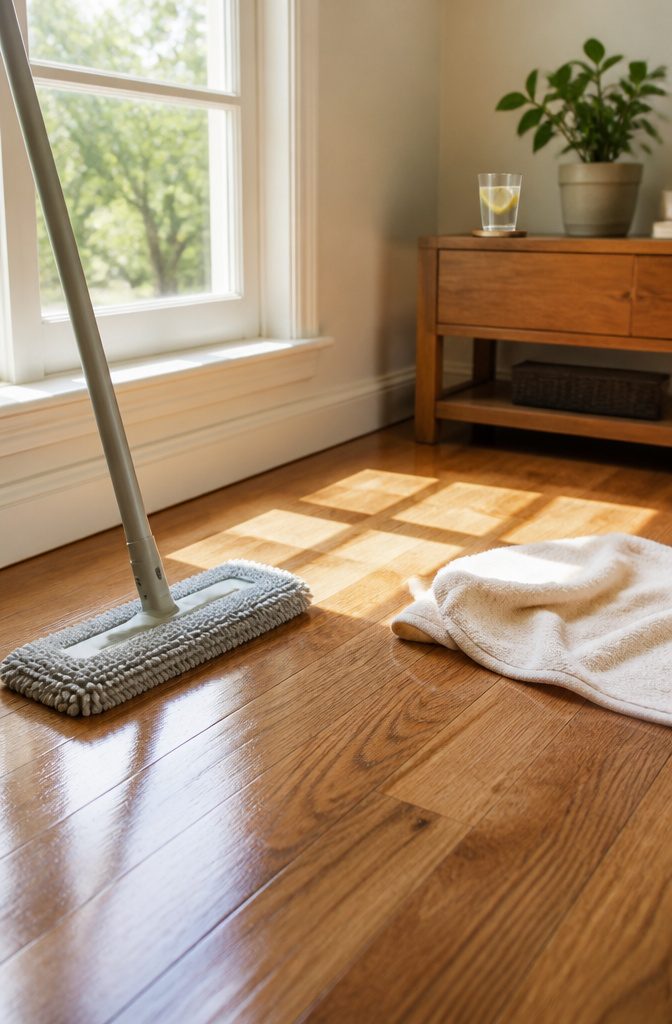
Air-drying is where most people lose the battle against sticky floors. The moisture sits there long enough for dissolved residue to resettle in streaks, especially on humid days when evaporation crawls.
A clean, dry mop or towel picks up what your wet mop left behind. Microfiber flat mops work particularly well here, since they absorb four times more moisture than a standard string mop and leave almost nothing to evaporate on its own. That faster drying time matters for hardwood and vinyl plank, where lingering dampness risks more than just streaks.
Run the dry mop immediately after your final rinse pass. The whole step takes about two minutes, and it closes the loop on residue instead of letting it settle back down.
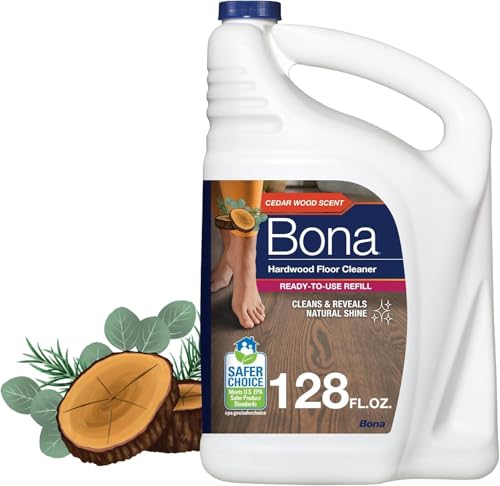
Easily refill any Bona floor cleaner spray bottle or mop cartridge

Luxury Fragrance Inspired by Brazilian Beach Days - Transport your home to Brazilian beach days with this highly scented mop soap. Notes of pistachio, salted caramel, and vanilla deliver a layered, luxurious scent experience every time you clean. A true luxury mop soap that refreshes your space beyond the surface.

Remove grime and sticky messes: Our floor cleaner is designed to penetrate deep into surfaces, easily removing dust, dirt, grime and sticky messes
8. Regular Maintenance
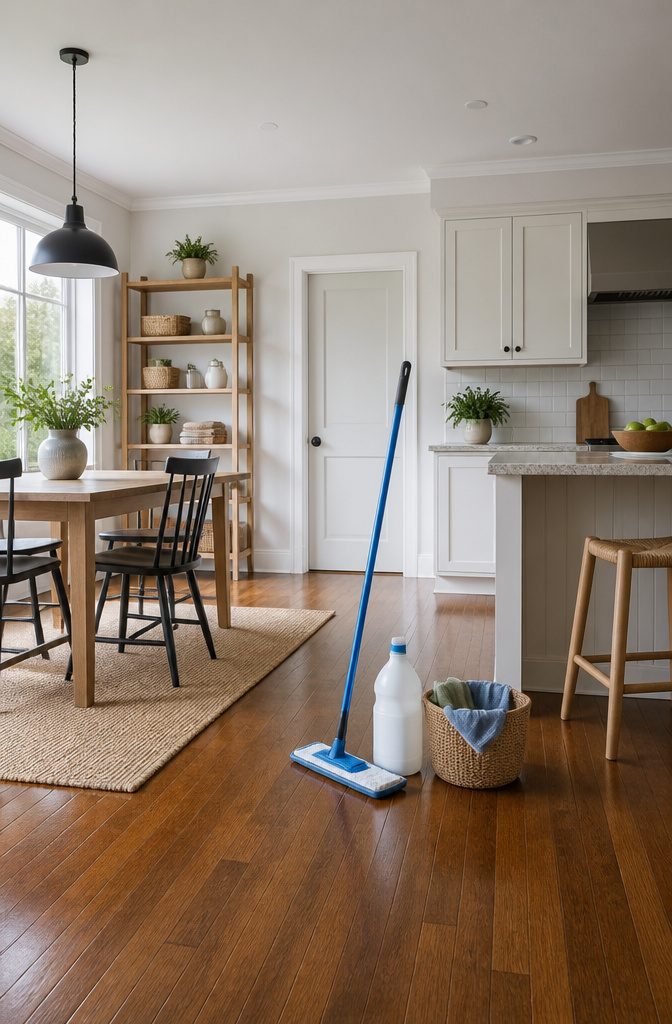
The best sticky floor cure is never needing one in the first place. I mop my kitchen Tuesday and Saturday mornings after coffee, no more, because over-cleaning leaves behind the very residue I’m fighting. Water usage matters more than elbow grease: a barely-damp mop picks up what a soaked one redeposits. When my kid drops a popsicle, that sticky puddle gets a rag within minutes, not the next scheduled pass. Sugars and starches harden fast into something only scrubbing fixes.
"The best sticky floor preventative is to use a cleaner/degreaser that is a low pH and is non-corrosive and leaves no residue. Then read the label to make sure you are using the correct dilution of the product to water."
That’s the threshold step most people miss: one to three tablespoons per gallon is all most concentrated cleaners need, and anything past that is pour-money-down-the-drain residue waiting to happen. Match the schedule to actual foot traffic. Entryway through mud season? Weekly. The guest bathroom January through March? Skip it.

Use on Hardwood, Laminate, LVT-Luxury Vinyl Tile, LVP-Luxury Vinyl Plank, Tile or Stone floors

Luxury Mop Soap for Floor Cleaning: Infused with viral Moroccan Mirage fragrance featuring warm amber, creamy vanilla, and rich sandalwood; this highly scented mop soap transforms mopping into a sensory experience your family will love

Bruce Hardwood & Laminate Floor Cleanr - 64oz Refill - 2 Pack
Common Causes of Sticky Floors
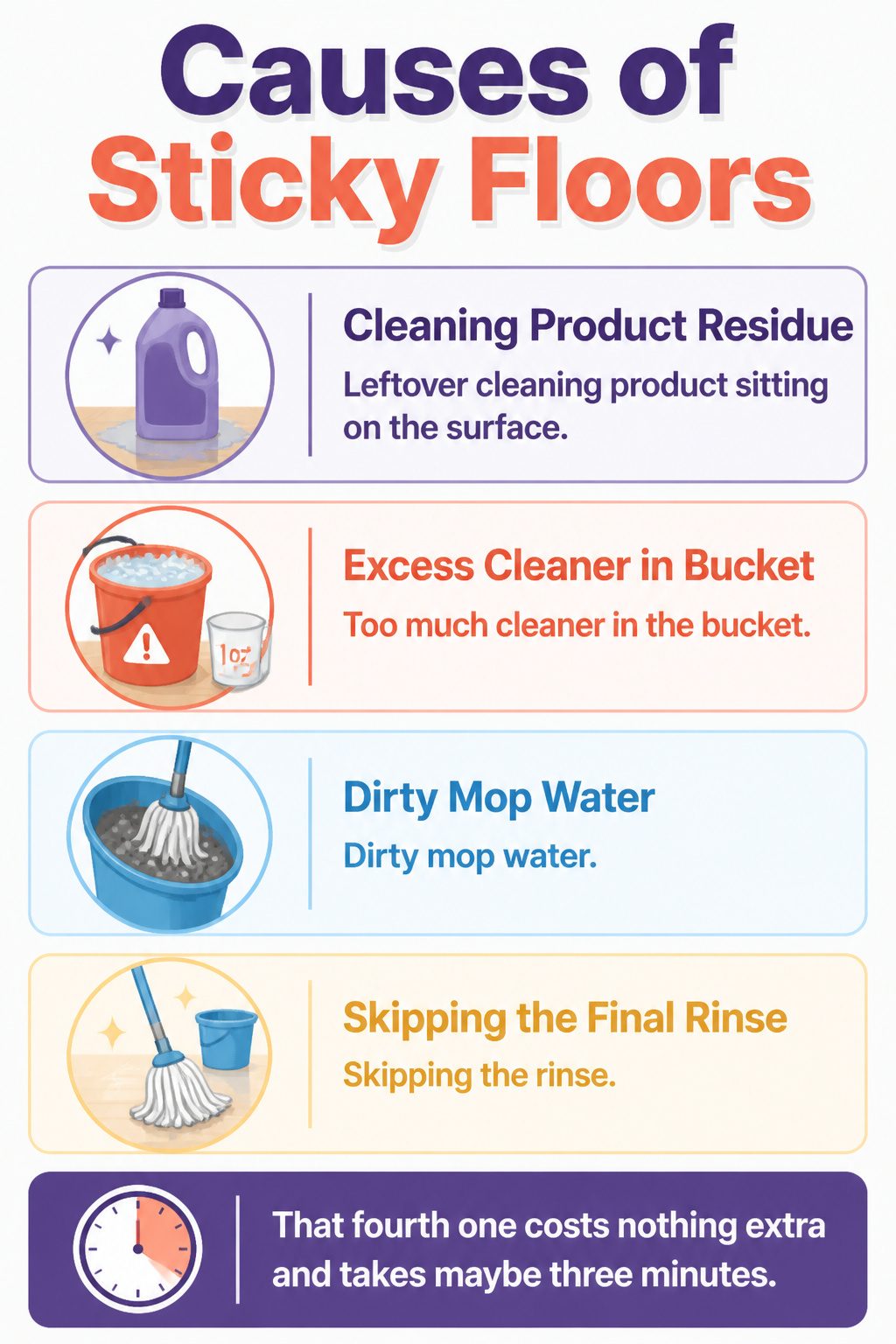
Sticky floors almost always come down to one of four things I see trip people up again and again:
- Leftover cleaning product sitting on the surface. Most cleaners need to break down and evaporate. When they can not, because you used more than the dilution the label calls for, they dry into a film that grabs at your feet.
- Too much cleaner in the bucket. The bottle says one ounce per gallon for a reason. More does not mean cleaner; it means guaranteed residue you will feel hours later.
- Dirty mop water. Once the water turns gray, you are spreading dissolved dirt instead of lifting it. That thin layer dries sticky and pulls in fresh dust by morning.
- Skipping the rinse. The rinse pass with clean water and a fresh mop head washes away soap and minerals before they set. Without it, the faint film returns every time.
That fourth one costs nothing extra and takes maybe three minutes. I am still surprised how many people, myself included for years, treated it as optional.
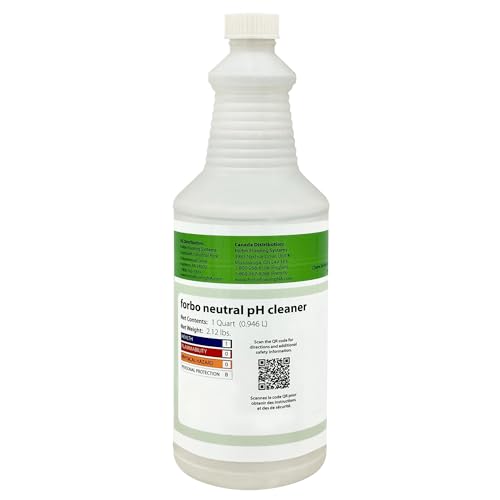
Specifically formulated for all Forbo and Marmoleum floors

LUXURY VINYL FLOOR CLEANER: pH balanced and formulated to gently clean luxury vinyl flooring.

ALL FLOORS CLEANER: Safe for use on sealed hardwood, tile, vinyl, laminate & more.
Hard Water and What It Leaves Behind
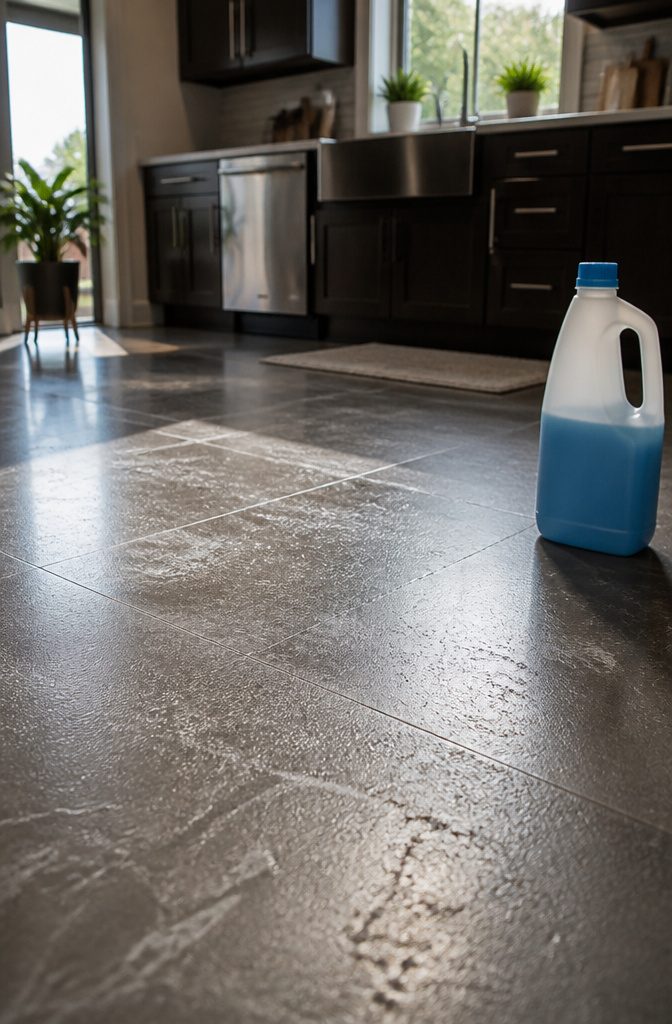
Hard water is the culprit almost nobody talks about, and it leaves calcium and magnesium behind when the floor dries. Those minerals don’t evaporate; they settle into a chalky film that feels faintly tacky underfoot. Texas has some of the hardest water in the country, averaging 224 ppm, well above the 100 ppm national average. Dallas water runs 140–160 mg/L, and parts of Austin hit 260 mg/L or higher. If you’ve got white buildup on your faucets, the same thing is happening on your floors, just less visibly. The minerals also bind with whatever cleaner you’re using, which makes the grabby sensation worse than either one alone. A water softener is the real fix, but that’s not a weekend project for most renters. For now, knowing the cause helps you stop blaming your mop technique.

Kit Includes: PowerMop Wood Spray Mop, 2 Mop Pad Refills, 1 QuickDry Wood Floor Cleaning solution with Lemon Scent, and 2 batteries
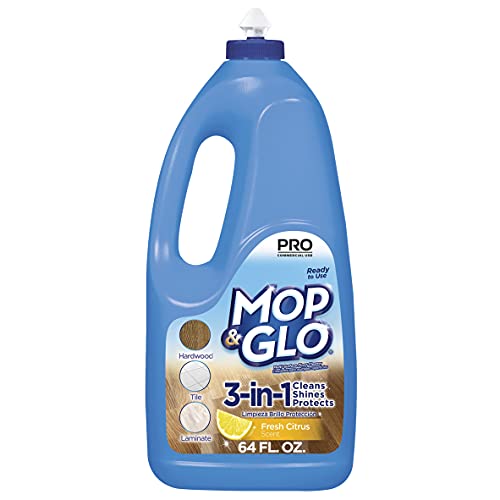
Shine-Lock formula powerfully cleans, shines and protects floors

CLICK N CLEAN ALL FLOORS MOP KIT: Includes floor mop, two reusable microfiber mop pads, two bottle adapters, one heavy-duty scrub pad and one 32 oz bottle of Rejuvenate All Floors Cleaner.
Vinegar Solution for Sticky Floors
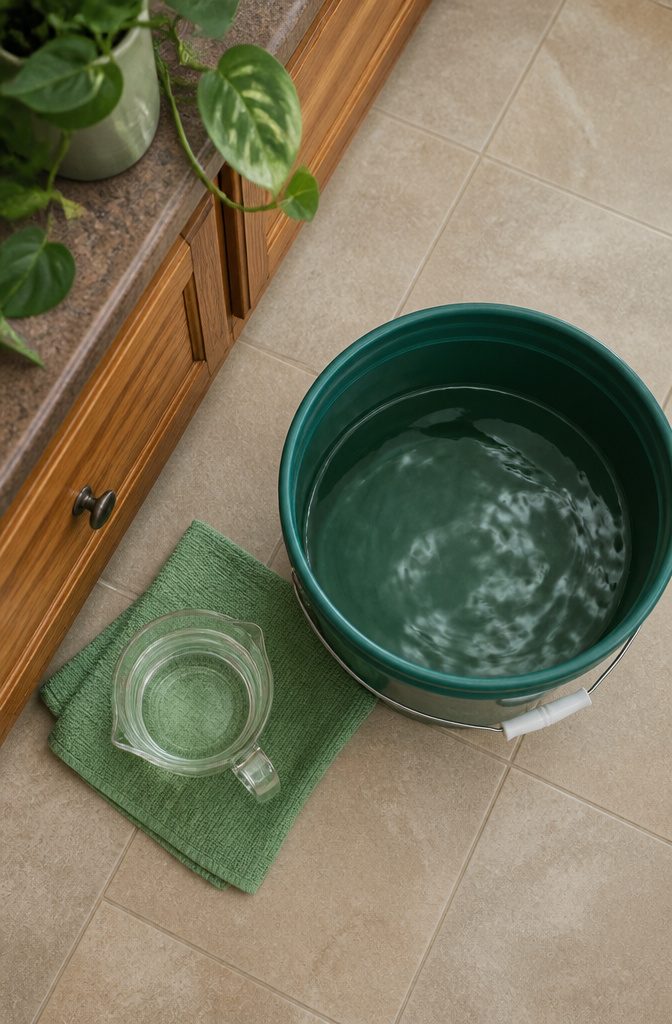
A cup of white vinegar mixed into a gallon of warm water is the homemade fix most people already have under the sink. The acidity breaks down the grime that commercial cleaners sometimes leave behind, especially on tile, vinyl, or linoleum. I reach for this when I’m out of my usual product or when the floor feels coated rather than dirty.
It is a backup, not a replacement. Vinegar does not replace choosing the right cleaner for your floor type, and it is not safe for everything. Unsealed wood and natural stone will dull or etch over time with repeated use, so this solution stays off my list for those surfaces.
The rinse matters. Going back over with clean water keeps any faint vinegar film from drying tacky, the same way leftover soap residue turns sticky. One cup per gallon is enough; more vinegar is not more effective.
Frequently Asked Questions
Why is my floor sticky after I mop?
Leftover soap residue is the most common cause. Surfactants in floor cleaners need a real rinse; when that step gets rushed or skipped, they dry into a thin film that feels tacky and grabs dust. Tackiness in one spot usually means a spill got spread around instead of lifted, while tackiness everywhere points to cleaner or rinsing issues.
What is the best way to clean sticky floors?
Use warm water with the correct dilution of a pH-neutral cleaner matched to your floor type, about one ounce or one capful per gallon. Follow with a second pass using plain water only, then dry immediately with a clean microfiber mop or towel. The rinse and dry steps are what pull residue up instead of letting it resettle.
Can I prevent my floor from becoming sticky?
Yes. Measure your cleaner exactly instead of pouring extra, rinse with clean water after every soap pass, and change mop water before it turns cloudy. Clean spills within minutes before sugars and starches harden, and match your mopping schedule to actual foot traffic rather than over-cleaning.