
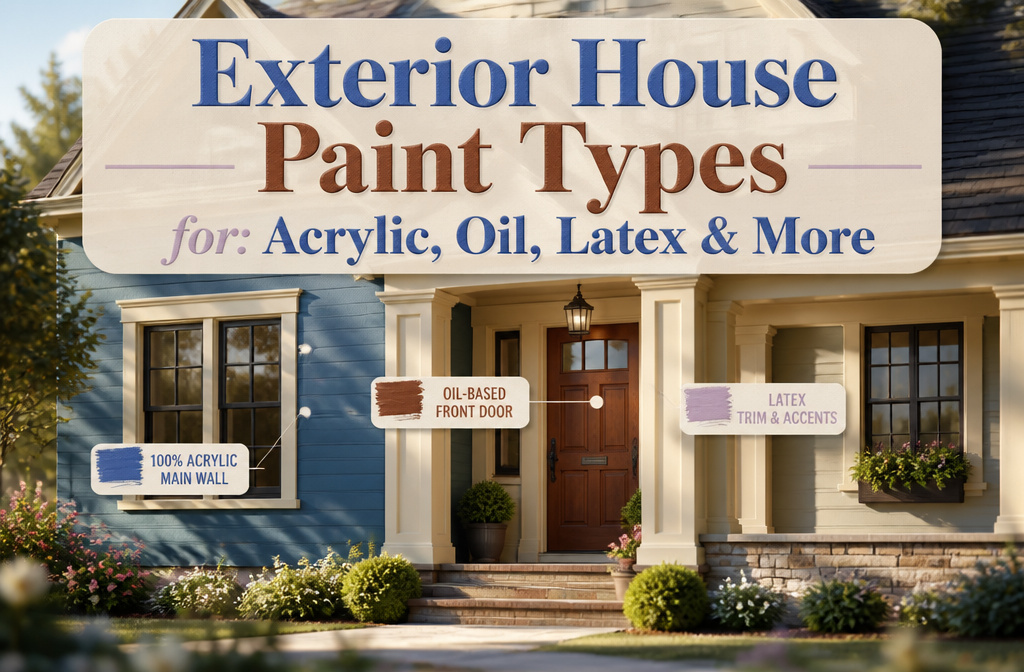

100% acrylic is the paint to beat for most exteriors. Its resins flex through freeze-thaw cycles without cracking, and the color retention outlasts oil-based alternatives by years. I’d only push someone toward elastomeric instead if their stucco or masonry is already showing hairline cracks, or toward oil-based alkyd for a front door that takes daily abuse from hands and weather. The catch is price: standard acrylic runs higher than basic latex, and the gap widens for elastomeric formulas that go on thick enough to bridge gaps at 10 to 20 mils dry.
1. Acrylic Paint
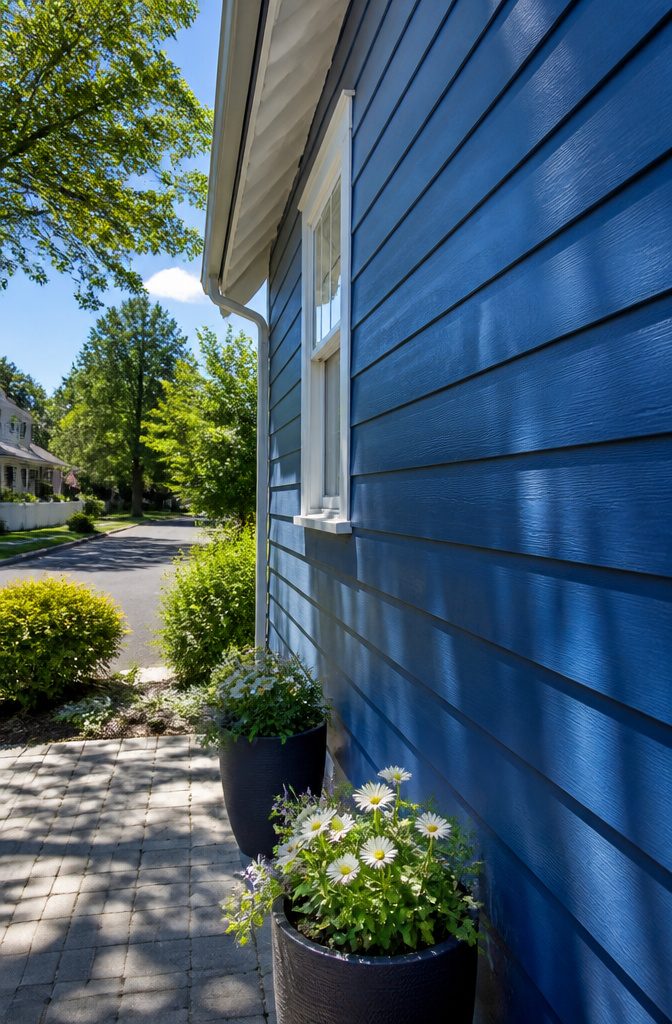
Acrylic paint sits at the top of most exterior paint lists for a reason. The resins make it flexible enough to expand and contract with siding through summer heat and winter freezes, which is why you’ll often see 100% acrylic formulations carrying lifetime warranties against peeling, blistering, and fading. That same flexibility lets moisture escape rather than trapping it underneath, so the paint stays put through years of washing and weather.
It sticks well to wood, vinyl, metal, and masonry, and the color retention beats oil-based alternatives hands down. Elastomeric acrylics take this further for homes in punishing climates, filling small cracks as they form. The main tradeoff is price. Standard acrylic runs higher than basic latex, and for most homeowners, that cost is worth it. I’d only steer someone away if they’re painting a high-impact spot like a door edge that gets slammed daily, or if their budget forces a choice between decent acrylic on prepped surfaces versus premium acrylic on flaky siding. In that case, fix the prep first and buy the paint that fits after.


BRUSH ON PAINT – Krylon COLORmaxx Acrylic Latex Brush On Paint delivers premium coverage and superior color with adhesion and durability. This acrylic latex paint can be used on wood, metal, wicker, plastic/ceramic, wrought iron, drywall and masonry.

10 VIBRANT LARGE-CAPACITY OUTDOOR PAINTS: unuaST outdoor acrylic paint waterproof set includes 10 vivid, highly pigmented colors, each in a generous 300 ml/10.14 oz bottle. The outdoor paint set also comes with a painting knife, sponge, pump, and color wheel, equipping you with all essential tools to unleash your outdoor creativity. Perfect for professional artists, hobbyists, DIY enthusiasts, beginners and adults tackling all kinds of painting projects.
2. Oil-Based Paint
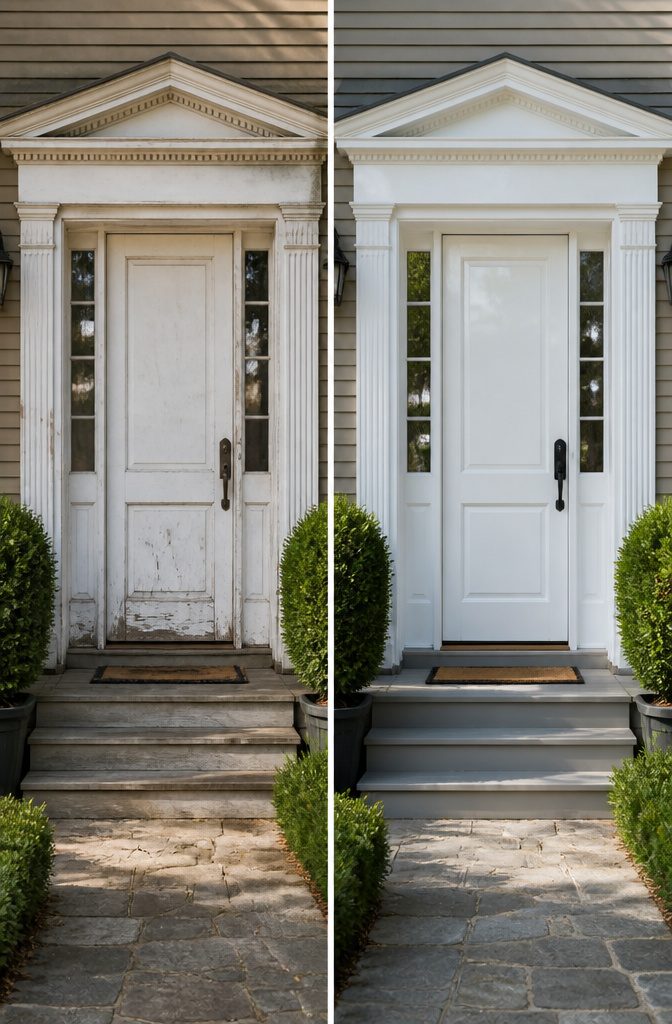
Oil-based paint still earns its keep in spots where a hard, glass-smooth finish and brute durability matter more than convenience. Doors, wrought iron, and trim details pick up the kind of daily abuse that scuffs water-based coatings, and the enamel toughness of an alkyd formula stands up to it. The finish shrugs off handprints, rain, and the odd bump from a moving trash bin in ways that softer latex films simply do not.
The tradeoffs stack up fast. Drying takes hours rather than minutes, and a full cure can stretch across days. The odor is strong enough to drive you indoors and keep the windows open. Over years of sun exposure, that pristine white or cream finish tends toward yellow, especially on protected areas like porch ceilings or the backs of doors where UV hits less evenly. Cleanup demands mineral spirits instead of a garden hose.
Most weekend painters painting siding or broad wall surfaces should skip this one entirely. The fumes are rough on anyone sensitive, the slow dry wrecks a tight timeline, and water-based acrylics have narrowed the performance gap for general use. Where oil still wins is small, high-touch surfaces where you need that specific hard gloss and you have the ventilation and the hours to wait it out.

Smooth, flexible crack filler formula eliminates reoccurring cracks in a variety of wall surfaces including drywall, plaster, stucco and more
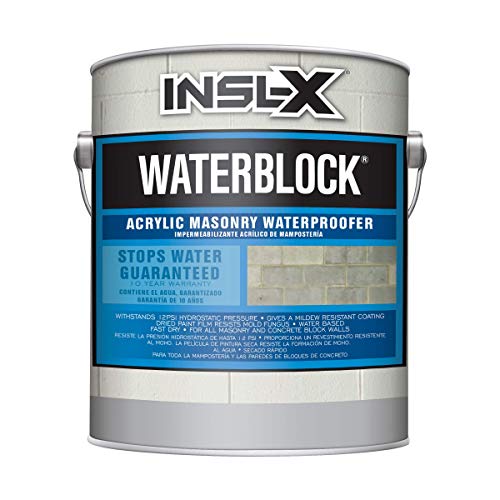
1) Water Based coating for sealing vertical interior and exterior concrete walls. Great for basement walls, foundations and retaining walls.

This high-quality, acrylic latex water-base interior/exterior paint offers excellent hiding properties with great adhesion and water repellency on textured interior and exterior surfaces
3. Latex Paint
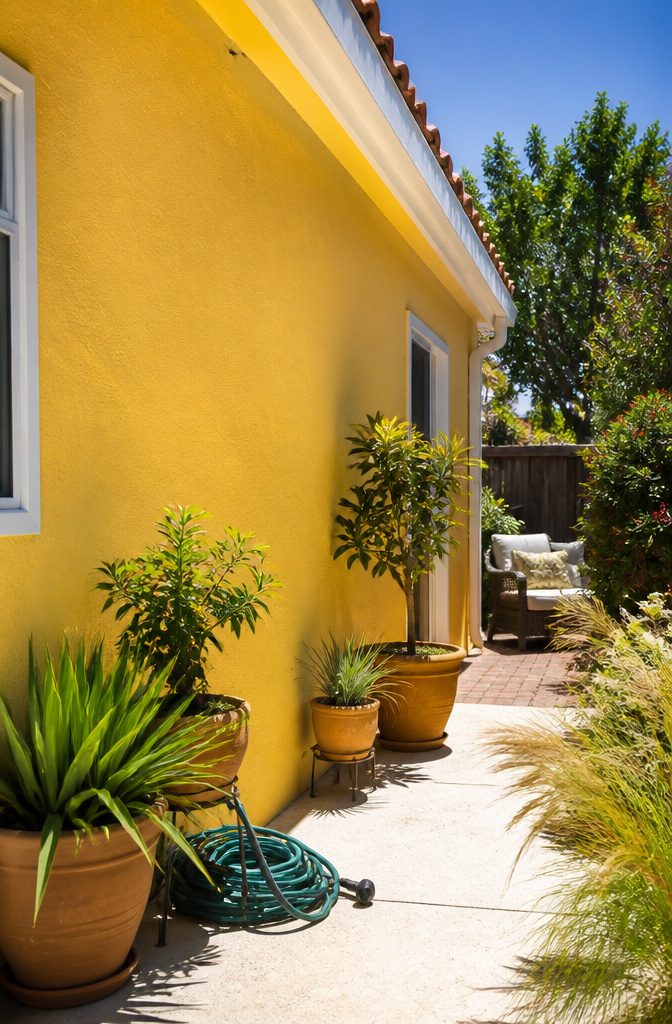
Latex paint is water-based, so cleanup means soap and water instead of mineral spirits. That alone has saved me from more than one ruined sweatshirt.
What trips people up is the name. Latex and acrylic are not the same thing. Acrylic paints are essentially latex with added acrylic resins, which makes them tougher and more flexible in extreme weather. Standard latex sits a step below in durability.
For moderate climates, latex works fine. It dries quickly and resists yellowing better than oil-based options. I would not spec it for a house baking under a UV index of 6 or higher for hours at a stretch, or anywhere with heavy humidity or salt spray. The ones who fall into those categories, acrylic is the smarter spend.

Helps prevent flaking, blistering, peeling Ready to apply — no thinning Interior / exterior use
4. Elastomeric Paint
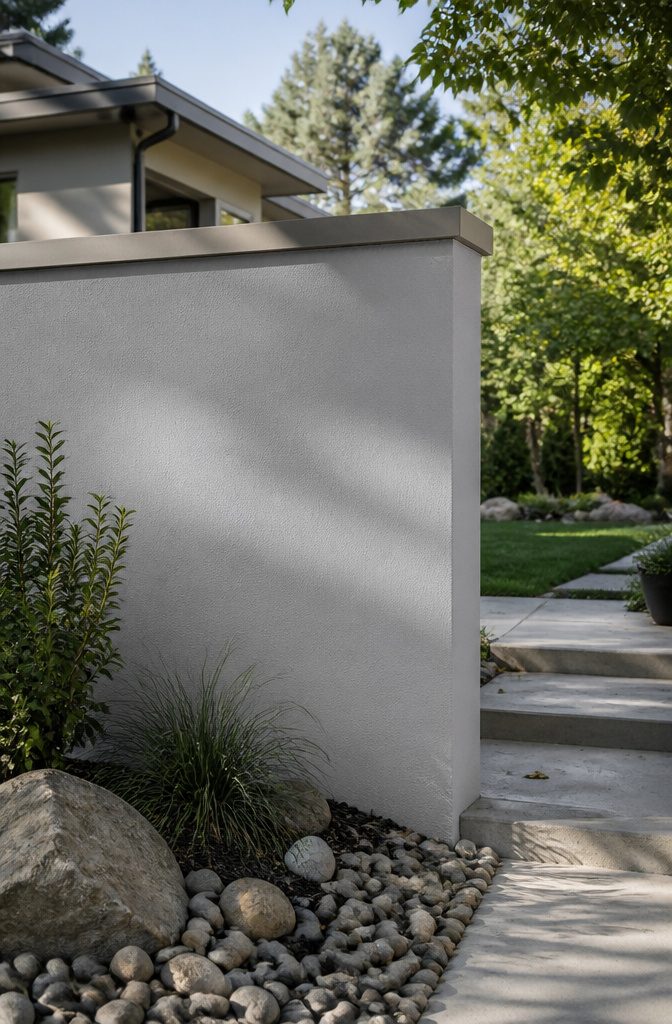
Elastomeric paint is basically acrylic paint stretched to its physical limit. The stuff can expand to 300% of its original size and snap back without cracking, which makes it less a coating and more a waterproof, breathable skin for your house.
That flexibility matters most on stucco, masonry, and concrete block, the kinds of surfaces that develop hairline cracks as they shift with temperature and settle over time. Standard paint sits on top; elastomeric bridges those gaps and keeps water from getting behind it. The finish ends up thick, almost rubbery, with a soft sheen that does not look like conventional house paint.
I would skip it for wood siding. Wood needs to breathe and flex differently, and the weight of this coating can trap moisture rather than solve anything. The texture also reads as decidedly non-standard, so anyone chasing that crisp, painted-lumber look will be disappointed. Budget is the other reality check: you are buying more material and often applying it thicker, which costs more per square foot than a regular acrylic job.
For the right wall in the right climate, particularly anywhere with heavy freeze-thaw cycles, the crack-bridging ability pays for itself. For everything else, standard acrylic handles the weather just fine without the added expense.
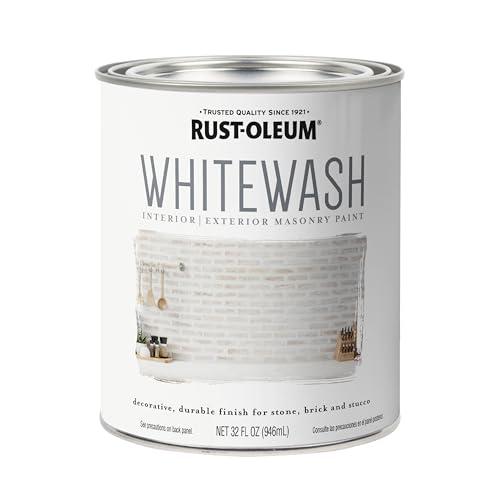
GREAT FOR HIGHLY POROUS SURFACES: Brightens the appearance of stucco, stone, brick and wood while letting natural surface texture shine through

This high-quality, acrylic latex water-base interior/exterior paint offers excellent hiding properties with great adhesion and water repellency on textured interior and exterior surfaces

MADE FOR EXTERIOR MASONRY: Designed for concrete, cement, brick, stone, stucco and masonry walls. Ideal for refreshing exterior walls, facades, garden walls and other properly prepared vertical masonry surfaces.
5. Mineral and Silicate Paint
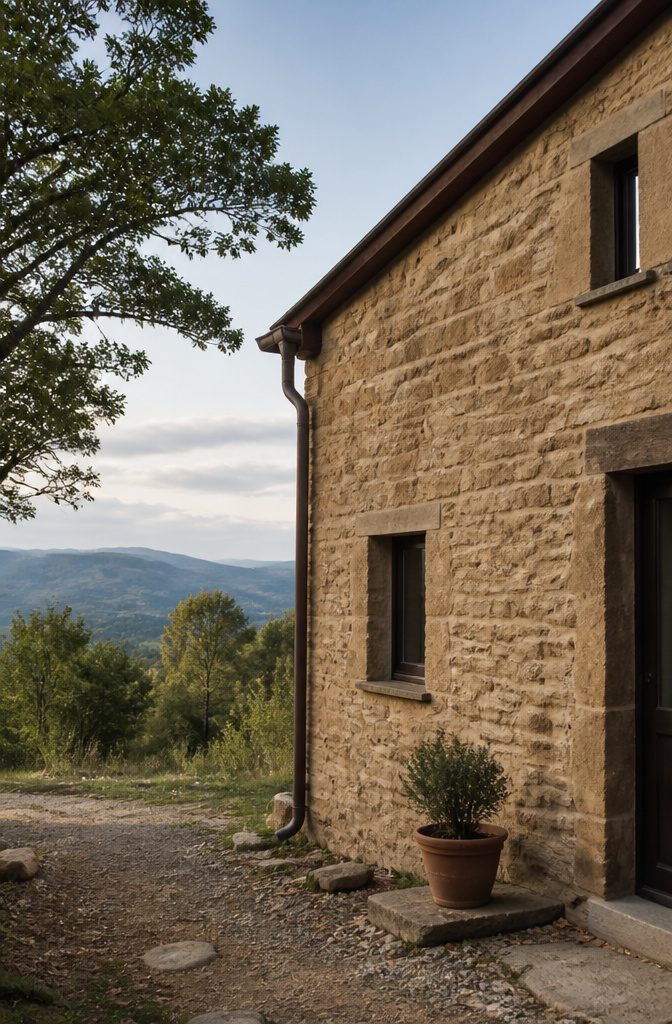
Mineral and silicate paint bonds with brick, stone, and stucco at a chemical level rather than sitting on top like a film. The surface absorbs the paint, and what forms is a finish that lets water vapor escape while blocking liquid rain, which means far less blistering and peeling over decades. The color stays put too, since there’s no flexible skin to crack and flake; the pigment becomes part of the masonry itself.
You’ll want to skip this one if your exterior is wood, vinyl, or metal, since mineral paint needs that porous mineral surface to grab onto. The application is also fussier than rolling on latex, and the palette tends toward earthy, muted tones that resist fading precisely because they’re not vivid to begin with. Changing your mind later means stripping or re-rendering rather than a fresh coat, so commit to the color going in.

WEATHERPROOF DURABILITY: Specially formulated with advanced scuff-resistant technology, ABEIER outdoor acrylic paint offers superior water resistance and UV protection. Your artwork remains vibrant and intact, resisting fading, peeling, or cracking even under harsh sunlight or heavy rain. No more worrying about your garden decor losing its luster after a storm.

CONVENIENT SIZE - This Apple Barrel Acrylic Paint comes in a versatile 2 oz size that is great for basecoating, stenciling, and so much more

25 VIBRANT COLORS: Shuttle Art outdoor acrylic paint set includes 25 high quality outdoor acrylic paints: 20 classic colors, 3 glow in the dark shades, and 2 metallic finishes, each in 60 ml/2 oz bottles. It also comes with 10 paint brushes, a mixing palette, a mini UV light, a color wheel, and an instructional guide, providing everything you need for endless creative possibilities
6. Alkyd Paint
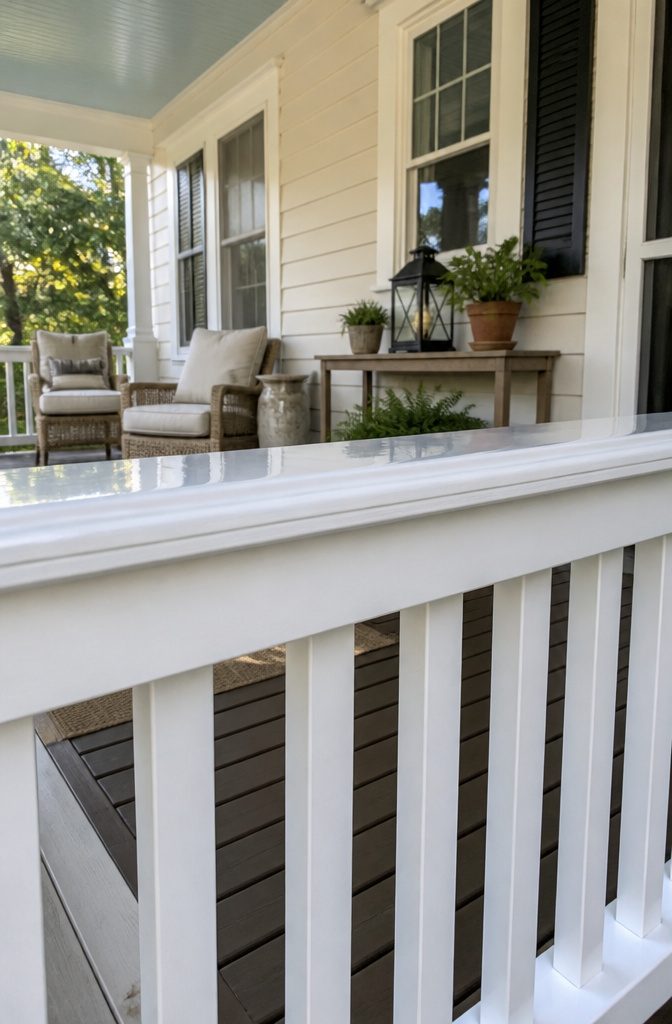
Alkyd paint sits right next to oil-based in the hardware aisle for a reason. The two are close enough in chemistry that paint stores often group them together, but alkyd formulas behave a bit more politely. They still demand solvents like mineral spirits for cleanup, not soap and water, and they still carry that solvent smell while drying.
Where alkyd earns its keep is on surfaces that take a beating. Door frames, windowsills, porch railings, anything your hands grip daily or the weather pounds directly. The finish dries to something harder and glossier than latex can manage, with fewer brush marks showing through. I’ve watched trim painted in alkyd still look intact after years of mail carriers grabbing the same door frame.
The downsides haven’t changed. You’re dealing with VOCs and fumes that linger, so confined spaces or windy-day application gets unpleasant fast. Cleanup means buying thinner, not rinsing under the hose. Over the years, the surface can yellow, especially whites and pale colors on trim that gets sun.
Skip alkyd if you’re covering a whole house yourself over a weekend, if you’re pregnant or sensitive to fumes, or if you want to wash brushes in the kitchen sink. It’s a specialist tool now, not a default exterior choice.

This high-quality, acrylic latex water-base interior/exterior paint offers excellent hiding properties with great adhesion and water repellency on textured interior and exterior surfaces

A heavy body gel incorporating an acrylic polymer and fine gray organic particles

The information below is per-pack only
Paint Formulations and What Changes Performance
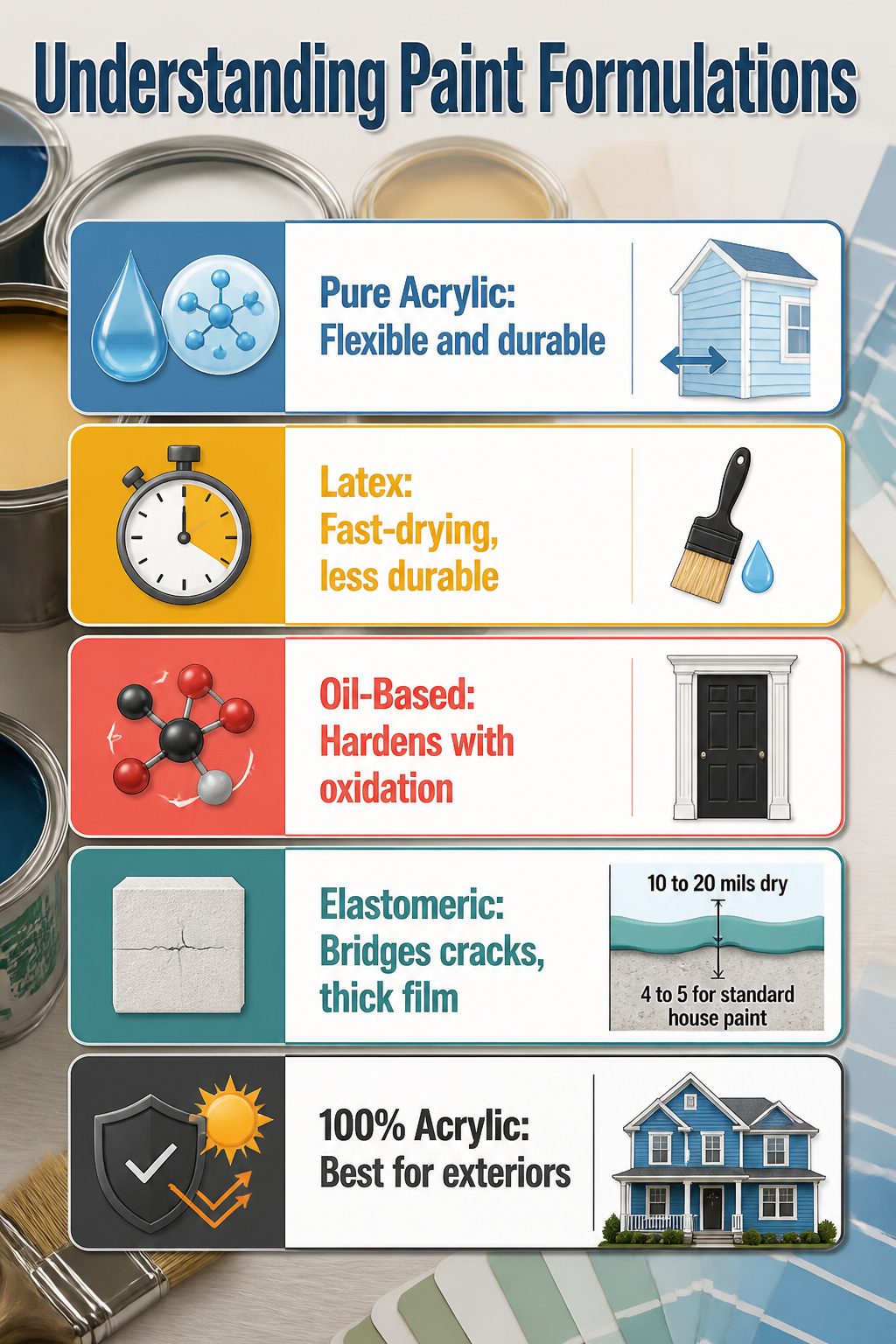
Acrylic and latex are both water-based, but the chemistry matters for how long they last. Pure acrylic uses resin suspended in water, and that resin stays flexible after it dries. Temperature swings make siding expand and contract, and acrylic stretches with it instead of cracking. Latex paint also carries a lot of water, sometimes with less acrylic resin mixed in. It dries faster and cleans up easier, but it does not bounce back from movement the same way 100% acrylic does.
Oil-based paint, usually alkyd, cures through oxidation rather than water evaporation. The finish goes on softer, then hardens as it reacts with air. That hardness is why trim and doors still get oil-based coats in some cases, but the brittleness means it ultimately cracks rather than gives.
Elastomeric paint takes the flexibility further with a much thicker film, something like 10 to 20 mils dry compared with 4 to 5 for standard house paint. It bridges hairline cracks in stucco and masonry because it is built to stretch and return. The tradeoff is time and material, and it is overkill for wood siding that moves predictably.
For most exteriors, 100% acrylic gives the best balance of flexibility, UV resistance, and cleanup with soap and water. Elastomeric pays off where waterproofing a cracked surface matters more than hiding power on fresh siding.
Durability and Weather Resistance
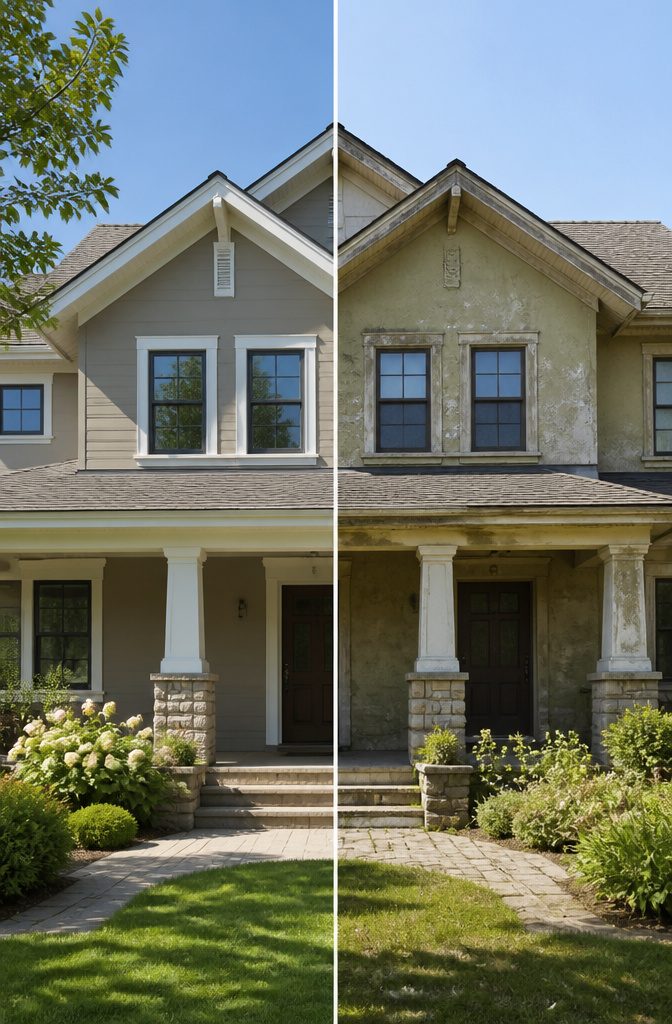
The paint you choose lives or dies by where you live. Acrylics handle the worst of it, their flexibility letting them expand and contract without cracking through freeze-thaw cycles, and their UV rating keeps color from sun-bleaching in places where the index sits at 6 or higher for hours. Elastomeric coatings go a step further for waterproofing, bridging hairline cracks so water never reaches the substrate. In moderate climates, latex does fine and costs less, though it will not survive salt spray or punishing humidity long-term.
A good exterior job lasts 5 to 12 years before it needs repainting. That range depends on prep quality, paint grade, surface material, and what weather your house actually sees. Extremes on either end of the timeline usually trace back to skimping on one of those.

MADE FOR EXTERIOR MASONRY: Designed for concrete, cement, brick, stone, stucco and masonry walls. Ideal for refreshing exterior walls, facades, garden walls and other properly prepared vertical masonry surfaces.
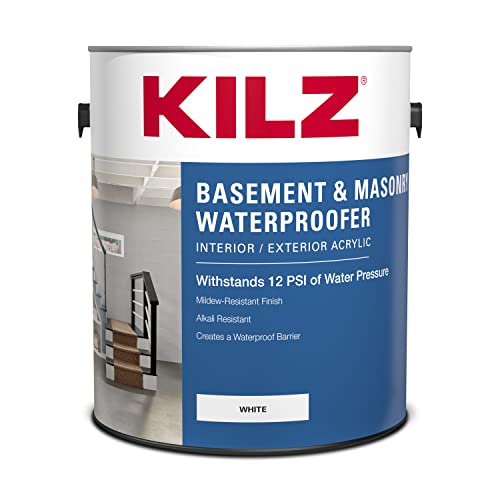
Waterproofing Protection with Nanotechnology: Engineered with advanced nanotechnology to create a powerful water barrier—KILZ waterproofing paint blocks up to 12 PSI of water pressure to help stop water infiltration on concrete and masonry surfaces.

PATCH: Great for minor cracks, holes, and surface defects in concrete or masonry
Surface Preparation
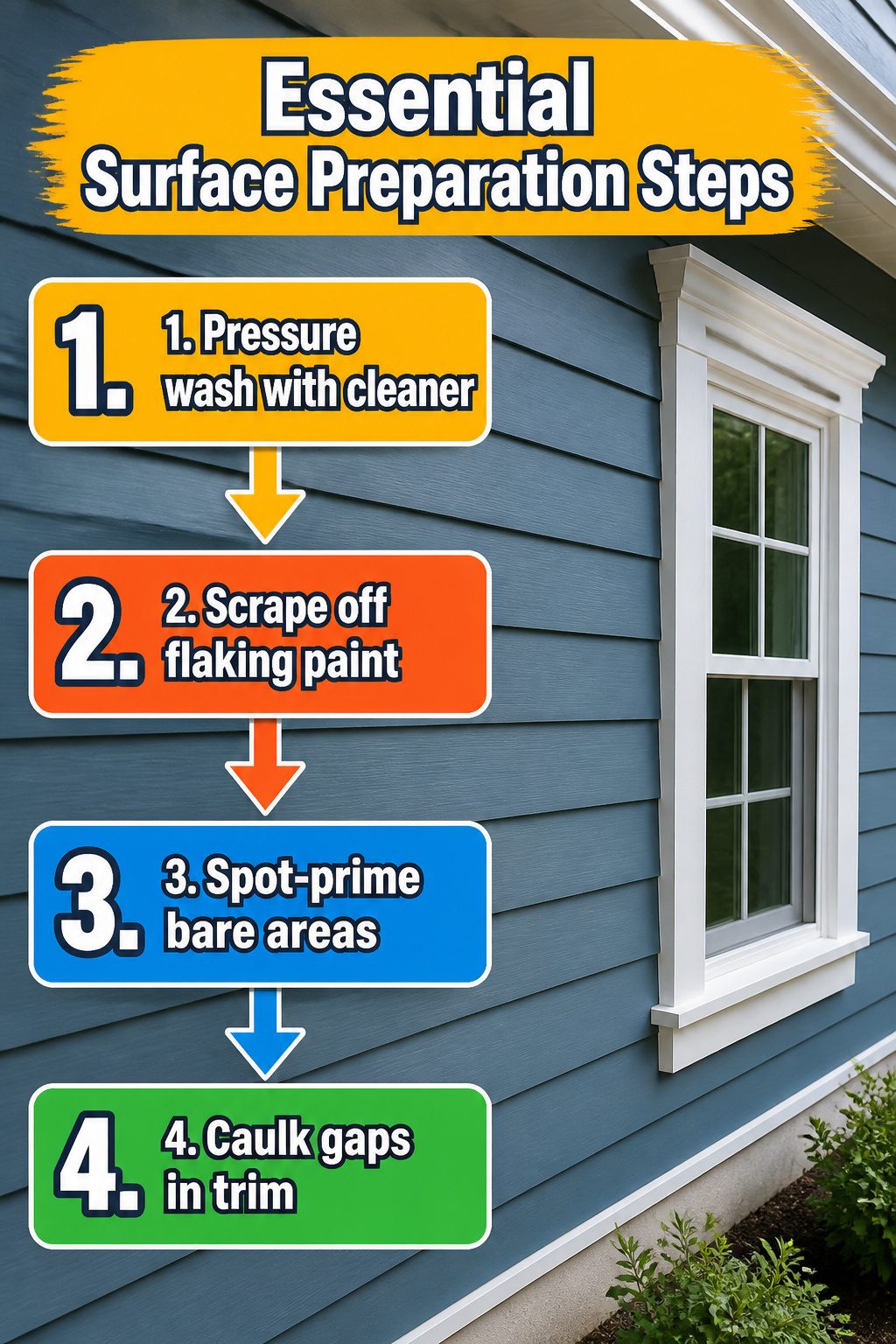
Washing the surface comes before anything else. Skip it, and the new paint will peel within a season or two. I’ve seen contractors rush straight to brushing on primer over chalky siding, only to watch that job bubble the following spring.
- Pressure wash with whichever cleaner you have on hand; detergent works fine. Run your sprayer from bottom to top if you’re dealing with semi-transparent stain, since streaking shows less that way.
- Once the siding is dry, scrape off anything flaking. Sand the edges smooth so there’s no ridge between bare substrate and old paint.
- Spot-prime bare wood or fresh repairs. The paint bonds to the primer, and the primer bonds to the work you just cleaned — without this layer, adhesion fails at the first freeze-thaw cycle.
- Caulk gaps at windows, trim, and corners after priming. Paint slides into unsealed cracks and creates a bridge that tears under movement.
The whole sequence usually takes a full weekend, but it buys you the better part of a decade before you’ll need to paint again.

36 VIBRANT COLORS: Shuttle Art outdoor acrylic paint set includes 36 high quality outdoor acrylic paints: 25 classic colors, 5 glow in the dark shades, and 6 metallic finishes, each in 60 ml/2 oz bottles. It also comes with 10 paint brushes, a mixing palette, a mini UV light, a color wheel, and an instructional guide, providing everything you need for endless creative possibilities

*Prestige Paints has created a comparable color based on color specifications of the original color using industry leading technology.

ACRYLIC WATER-BASED FORMULA - Our premium fade-resistant acrylic paint is fortified for years of lasting durability. Easily applied by spray, brush or roller, you can quickly cover your fence or barn with just one coat.
Application Techniques
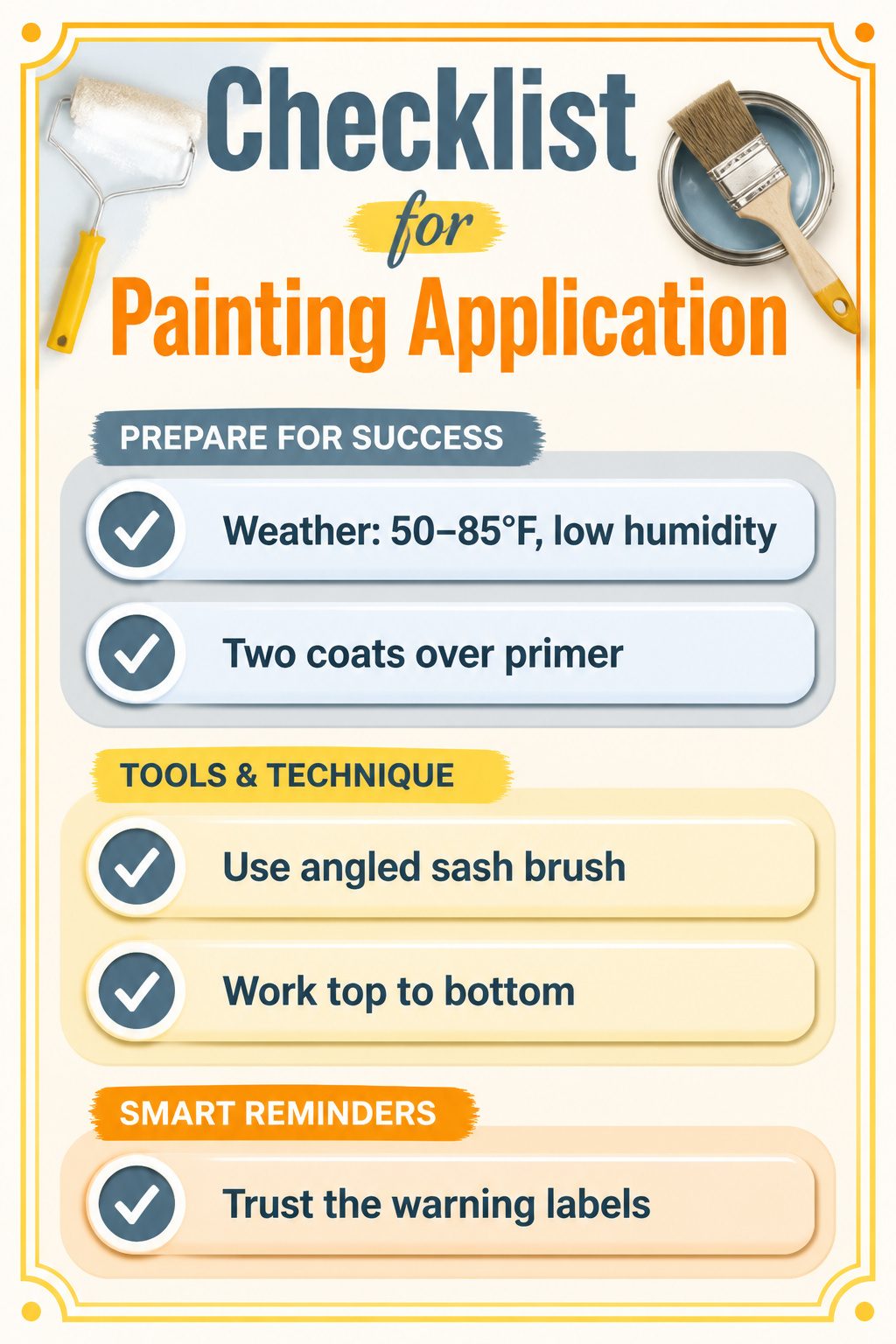
A weekend paint job falls apart fast if the weather turns on you. I aim for 50–85°F with low humidity and no rain in the forecast for 24 hours, which gives each coat time to set properly.
- Skip the single-coat temptation. Two coats of quality paint over a primer base lasts years longer than one heavy layer, and the extra thickness actually blocks UV fading better.
- A 4-inch angled sash brush cuts in trim and edges where rollers can’t reach; use a 3/8-inch nap roller for smooth siding, 1/2-inch for rougher textures.
- Work top to bottom, wet edge into wet edge, or you’ll face lap marks that show up hard in direct sun.
- I never trust the "lifetime warranty" label alone. Most exclude horizontal surfaces and fading, so ladder placement and brush direction matter more than the can’s promise.

Textured, flexible crack filler formula eliminates reoccurring cracks in a variety of wall surfaces including drywall, plaster, stucco and more

ENAMEL FLOOR PAINT: Provide your floors with an extremely durable and long-lasting finish using California Paint ALLFLOR Porch, Patio and Floor Enamel Paint.
Finish Types
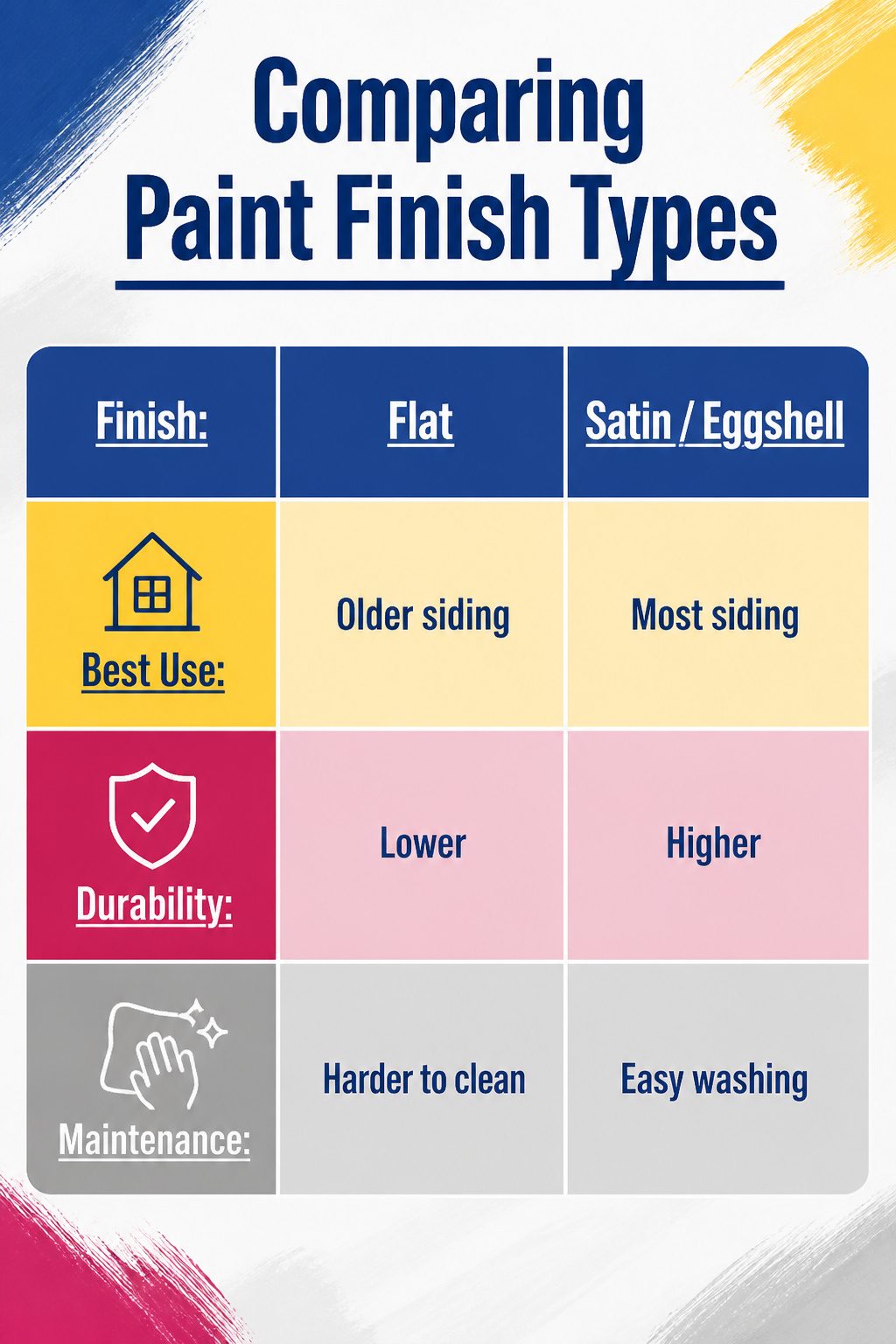
Your finish has a bigger say in how long the paint lasts than most people realize. Flat hides imperfections on older siding but stains stick and scrubbing lifts the pigment. Satin or eggshell gives you the middle ground that sources keep pointing to: enough sheen to wash pollen or fingerprints off, not so much that every dent catches light. I have seen the difference on two houses on the same block, one in flat and one in satin, and the flat side looked tired three years sooner.
Semi-gloss and gloss trade reflectivity for toughness. They are the right call for trim, doors, shutters, anywhere hands actually touch. High gloss repels dirt and holds color depth, but it will not forgive a wavy surface or a rushed roller pass.
| Finish | Best Use | Durability | Maintenance |
|---|---|---|---|
| Flat | Older siding with flaws | Lower | Harder to clean |
| Satin / Eggshell | Most siding | Higher | Easy washing |
| Semi-Gloss | Trim, railings, doors | Higher | Wipes clean |
| Gloss | Shutters, accents | Highest | Dirt-repellent |
Satin sits where most exteriors should live, especially with acrylic or quality latex formulas that already flex with temperature swings. Save the gloss for the details that take abuse, and skip flat unless you are hiding century-old clapboard that nothing else can save.
Frequently Asked Questions
What type of paint is best for the exterior of a house?
100% acrylic paint is the best all-around choice for most exteriors. It flexes enough to expand and contract with siding through temperature swings, lets moisture escape so the paint does not peel, and holds color longer than oil-based options. For stucco or masonry with hairline cracks, elastomeric acrylic is worth the extra cost.
How often should you repaint your house exterior?
A good exterior paint job lasts 5 to 12 years before it needs redoing. Where you land in that range depends on prep quality, paint grade, surface material, and your local weather. Skimp on washing and priming, and you will be back up on the ladder much sooner.
What is the best finish for exterior paint?
Satin or eggshell is the right finish for most siding. It gives you enough sheen to wash pollen and dirt off without reflecting so much light that every imperfection shows. Flat paint hides flaws on older siding but stains stick and scrubbing lifts the pigment. Save semi-gloss and gloss for trim, doors, and railings that take direct handling.